Every machinist knows the frustration: you’re drilling a deep hole, you hear that telltale squeal, and you know—the chips aren’t clearing. You stop, retract, peck, clear, and start again. The cycle time stretches. The tool wears. And the surface finish? Often a disappointment.
This is the exact problem parabolic flute drill bits were engineered to solve. If you’re still using standard twist drills for deep-hole applications in stainless steel, aluminum, or high-strength alloys, you’re leaving both productivity and part quality on the table.
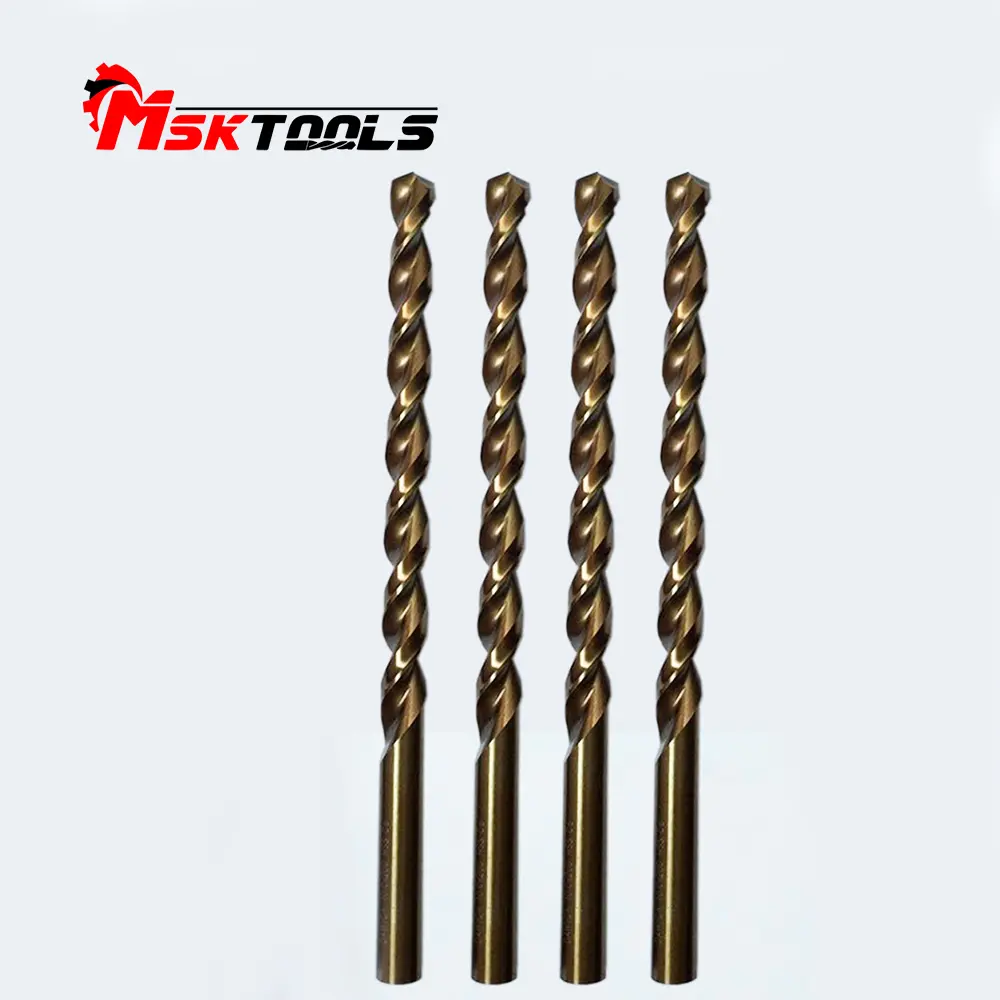
What Makes a Parabolic Flute Different?
Standard twist drills have a constant flute width. As the drill goes deeper, chips pack into those flutes, friction skyrockets, and heat builds. The result: tool failure, poor hole accuracy, and excessive machine downtime.
A parabolic flute drill bit, however, features a flute geometry that widens exponentially from the point back toward the shank. This creates a much larger chip-carrying capacity. In practical terms, it means that instead of fighting to get chips out, the drill’s design actively invites them to flow freely.
The Core Advantages That Matter in Your Workshop
1. Reduced or Eliminated Peck Drilling
Peck drilling is the standard workaround for chip clogging—but it’s a time killer. For every peck, you lose spindle speed, acceleration, and positioning time. With a parabolic design, the enhanced chip evacuation means you can drill deeper in a single, continuous pass. For most applications up to 8–10× diameter, you can eliminate pecking entirely.
2. Higher Feed Rates, Shorter Cycle Times
When chips clear easily, you can push the feed rate harder without risk of breakage. Our MSK HSSCO parabolic drills, for instance, are ground with a sharp cutting edge and an inner broken-line edge design specifically for stability. This allows for aggressive feeds that translate directly into more parts per hour. In production environments, this isn’t a minor improvement—it’s a step-change in throughput.
3. Superior Hole Finish and Accuracy
Chip packing doesn’t just risk tool breakage; it also scores the hole wall. The smooth, unimpeded chip flow of a parabolic flute drill produces a far better internal surface finish. Combined with the stable geometry, this yields tighter tolerances and rounder holes, reducing the need for secondary reaming operations.
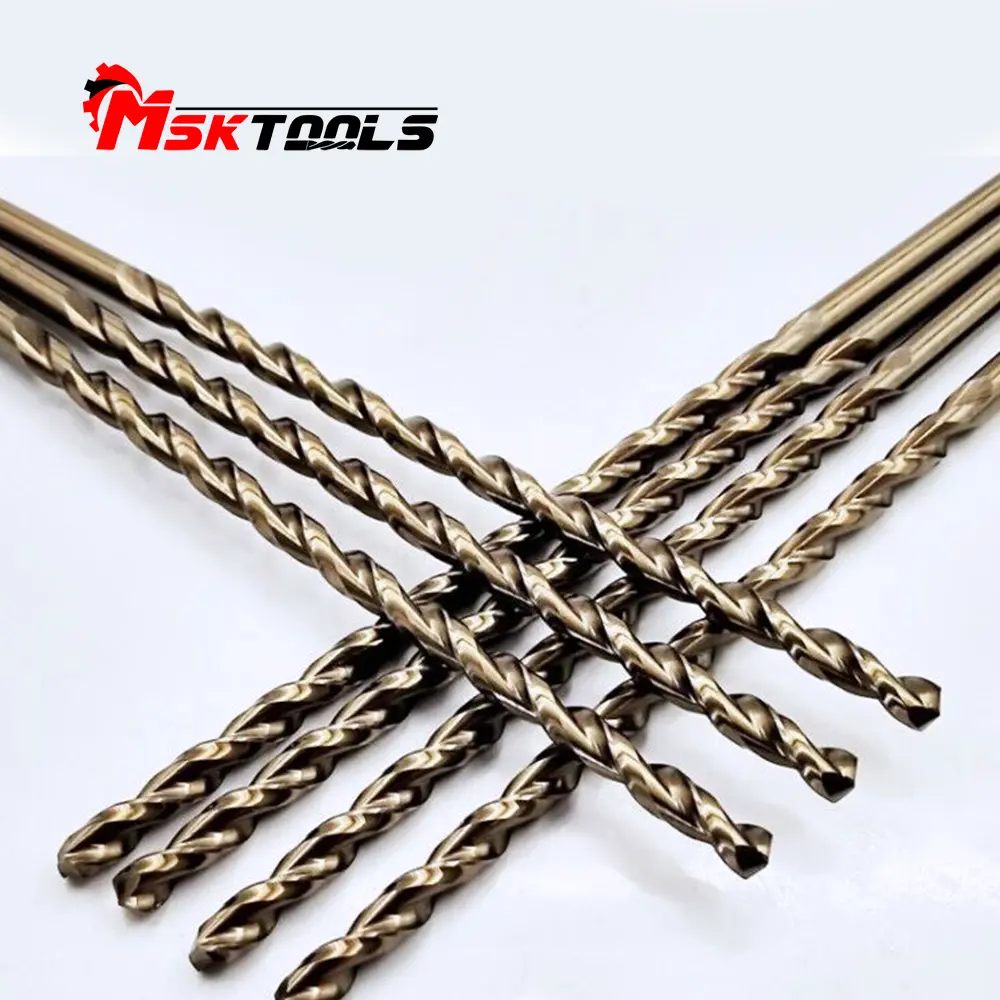
Why Material Matters: Stainless, Aluminum, and Exotics
The real value of parabolic flute drills becomes undeniable when you move beyond mild steel.
Stainless Steel & Die Steel: These are notoriously gummy and work-harden. Chips don’t break easily. A standard drill will bind, create heat, and work-harden the hole even further. The parabolic flute’s extra room prevents this binding, allowing the sharp edge to shear cleanly.
Aluminum & Magnesium Alloys: These produce long, stringy chips that are a nightmare for standard flutes. The parabolic geometry is arguably the most effective geometry for these materials, as it curls and extracts those long chips without clogging.
The HSSCO material itself is key here. High-Speed Steel (HSS) provides the toughness needed for interrupted cuts and the resilience to handle the vibration inherent in deep drilling—something that more brittle carbide drills can struggle with in unstable setups.
Stability: The Overlooked Factor in Deep Hole Drilling
A deep hole drill is essentially a long, slender cantilever. The deeper it goes, the more it wants to deflect. The parabolic design, combined with a sharp cutting edge and the inner broken-line edge, creates a balanced cutting force. This reduces the “walking” tendency of the drill and ensures that the hole starts straight and stays straight—critical when you’re drilling holes up to 15× diameter or more.
Practical Applications & Setup Tips
To get the most out of a parabolic flute drill, especially with external cooling (as is common with our straight-shank designs), remember these two tips:
Use Adequate Coolant Pressure: While the flute design excels at chip removal, coolant is still critical for heat evacuation. Aim the nozzle directly at the cutting edge.
Rigidity is Everything: Use a high-quality, rigid tool holder. The improved stability principle in the drill’s design can only perform as well as the setup allows.
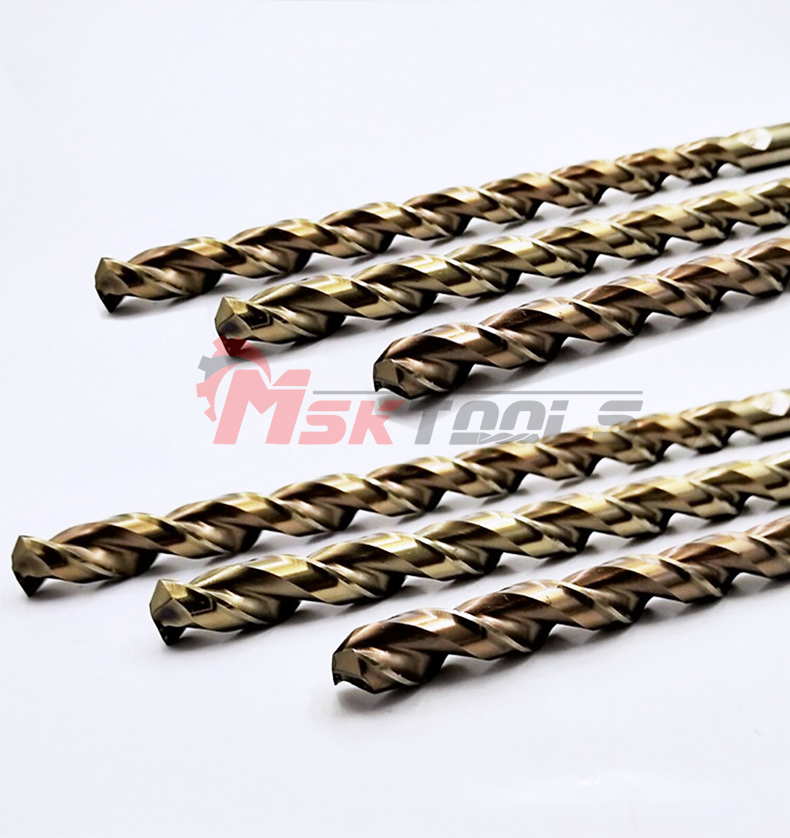
The Bottom Line
If you’re still pecking every 2× diameter and settling for average hole quality, you’re working harder, not smarter. The parabolic flute drill bit isn’t a niche specialty tool—it’s the modern standard for any workshop that regularly performs deep-hole operations.
Are you ready to test the difference? For workshops in Tianjin and beyond, the MSK HSSCO parabolic-flute drills are available from stock, with a low MOQ of just 5 pieces per size. It might just be the simplest upgrade you make to your machining process this year. high speed steel deep hole drill

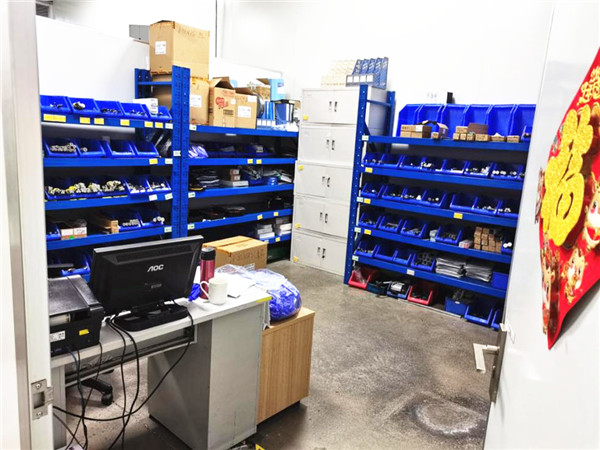
About MSK (Tianjin) International Trading Co., Ltd.
Founded in 2015 | ISO 9001:2016 certified
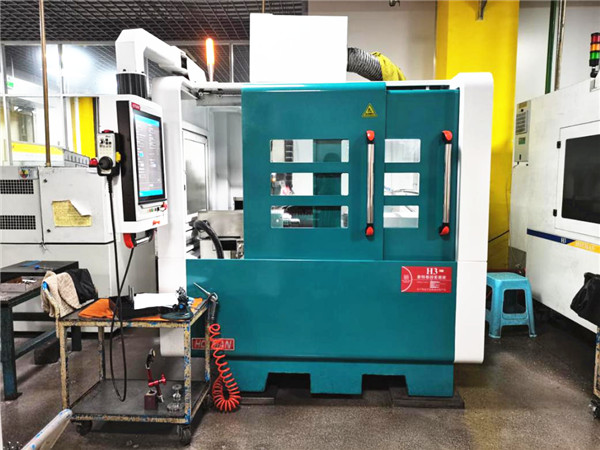
We specialize in high-end CNC tooling, backed by German SACCKE five-axis grinding centers, ZOLLER six-axis testing, and Taiwan PALMARY machine tools.
What we offer:
- Full-stock supply of milling cutters, taps, drills, blades, holders, dies, machine tools & more
- One-stop sourcing – from standard items to custom solutions (just share your specs and quantity)
- Expert support from a professional team
Who we serve:
Manufacturers, repair shops, tool & die makers, hospitals, hotels, schools, hobbyists, and beyond – fast, reliable service for every need.
Your satisfaction is our priority. Simple, efficient, and tailored to you.
Hot selling products
Post time: Jul-01-2026


