In the world of CNC machining, the roughing operation is where the real work happens. It’s the process that shapes raw stock into a near-net form, setting the stage for finishing. The tool you choose for this task needs to be robust, efficient, and precise—a combination that is perfectly embodied by the 4 flute carbide end mill designed for heavy material removal.
The Challenge of Modern Roughing
Manufacturing floors today are under constant pressure to reduce cycle times. This means pushing tools harder, at higher feed rates and greater depths of cut. However, this intensity generates significant heat, vibration, and chip management issues. A standard end mill often struggles under these conditions, leading to premature wear, tool breakage, and poor surface quality.
This is where a dedicated roughing flat end mill proves its value. Unlike general-purpose tools, it is engineered specifically to handle the extreme demands of bulk material removal.
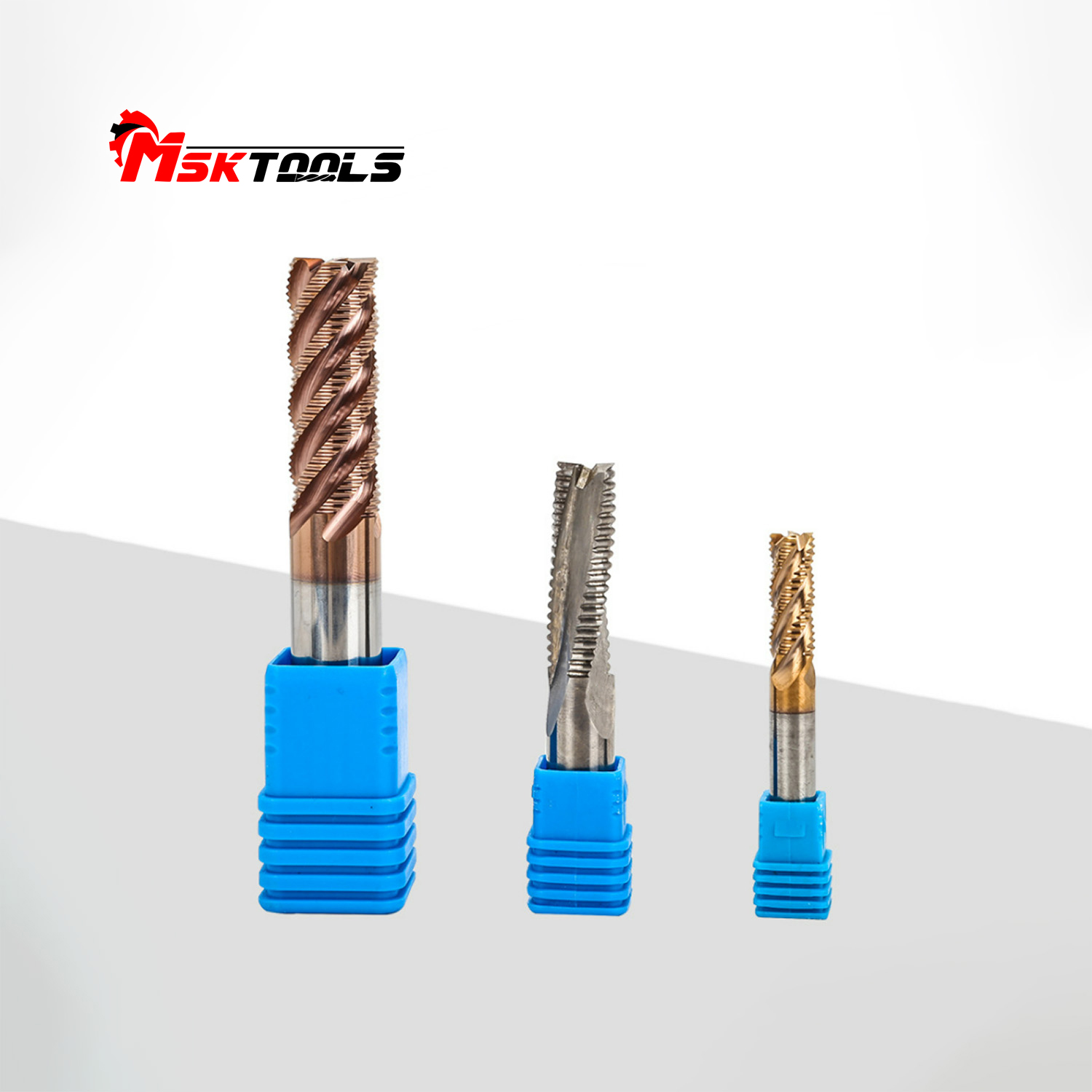
The Design Philosophy of a High-Performance Roughing Mill
The MSK HRC55 standard-size carbide roughing end mill is a prime example of this specialized engineering. Its geometry is the key to its performance, particularly its unique scalloped cutting edge.
Chip Management and Vibration Control
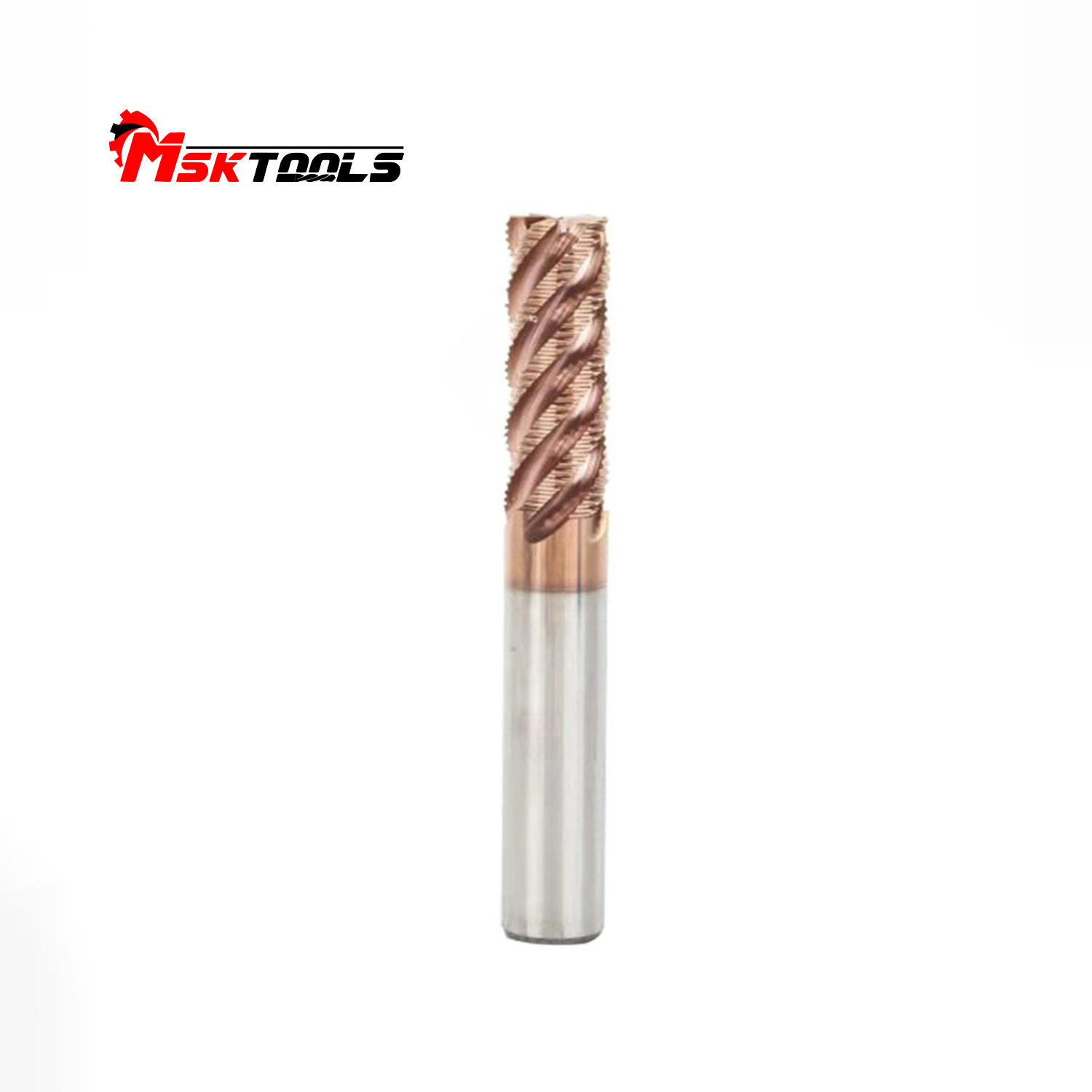
The scalloped or serrated design along the cutting edges serves a critical purpose: chip breaking. As the tool engages the material, these serrations act like a set of miniature wedges, fracturing the long, stringy chips that are typical of many materials into small, manageable fragments.
This has two immediate benefits:
- Smoother Operation: By eliminating long chips that can wrap around the tool or workpiece, the milling process becomes far more stable. This significantly reduces vibration and chatter, which not only protects your spindle and machine but also extends the life of the tool itself.
- Higher Feed Rates: The reduced vibration allows for larger radial depths of cut and faster feed rates. You can remove more material in a single pass, directly contributing to shorter production cycles.
The Substrate and Coating: A Powerful Combination
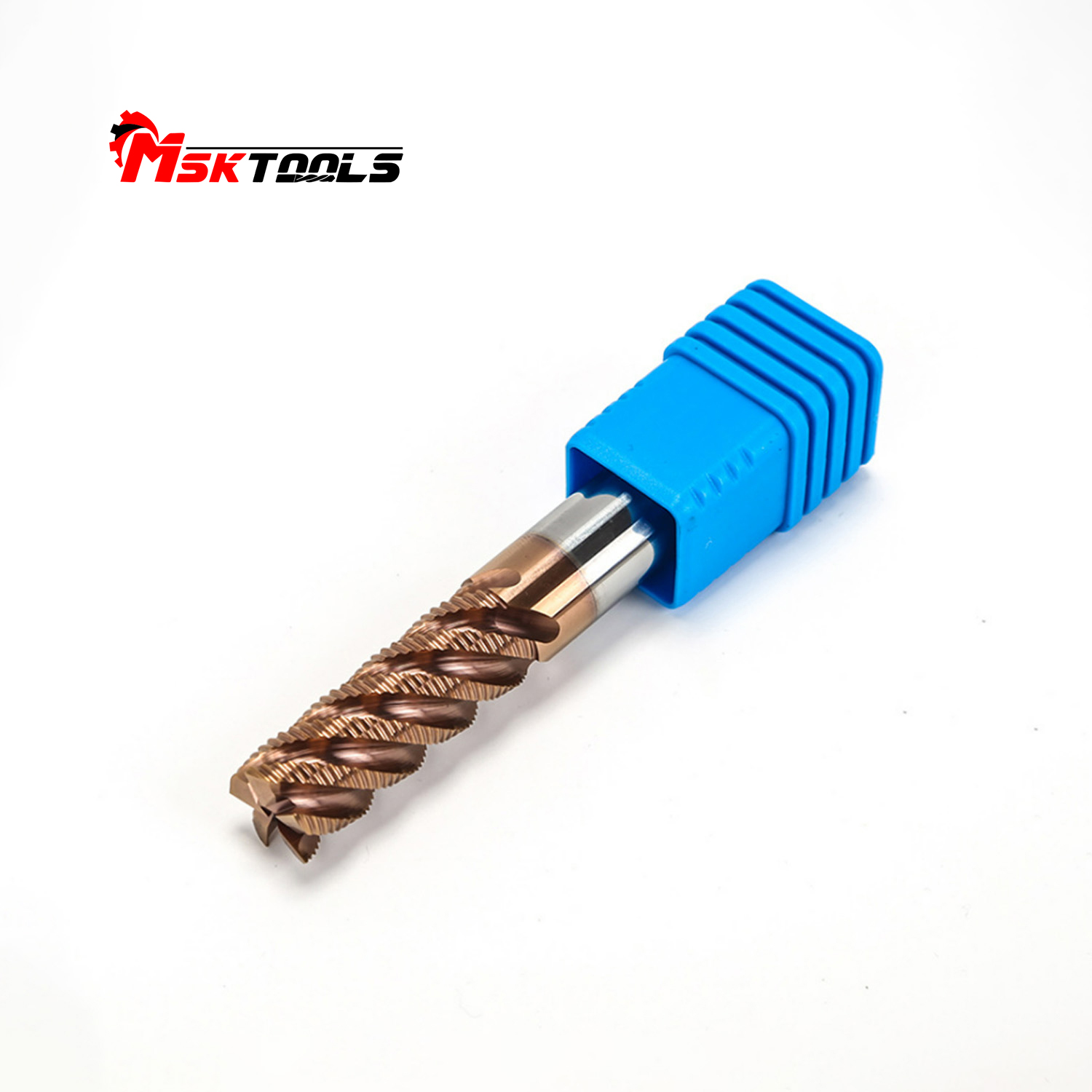
The tool’s ability to handle challenging materials (up to HRC55) comes from its foundation: an ultra-fine grain tungsten carbide substrate. This provides the necessary bending strength and wear resistance to withstand the high cutting forces involved in roughing.
This robust base is enhanced by a distinctive bronze-colored composite coating. This isn't just for aesthetic appeal; it's a functional layer that reduces friction, increases lubricity, and acts as a thermal barrier, preventing heat from transferring into the carbide substrate and causing rapid wear. Together, the substrate and coating allow the tool to perform roughing and semi-finishing operations in one setup.
Practical Application: Getting the Most from Your Tool
To maximize the potential of your 4-flute roughing end mill, a few key practices are essential. These are guidelines that any machinist should follow for consistent results.
Minimize Overhang: Keep the tool's extension from the holder as short as possible. A shorter tool is a more rigid tool. If a longer reach is unavoidable, reduce your parameters (speed, feed, or depth) to compensate and suppress chatter.
Listen to the Cut: The sound of your machine is a valuable diagnostic tool. If you hear unusual vibration or noise, stop and reduce the speed and feed immediately. Once stable, you can gradually increase the feed rate to optimize productivity. In fact, you can often increase the feed rate by 30-50% from your starting parameters once the cut is stable.
Choose Your Coolant Wisely: For steel, air blast or mist is often preferred as it keeps the cutting zone clean without inducing thermal shock. For harder alloys like stainless steel or titanium, a water-soluble or neat cutting fluid is necessary to reduce friction and heat effectively.
Specifications and Versatility
This series of tools is available in a standard range of diameters from 4mm to 20mm, with 3 or 4 flutes to suit various material types and machining strategies. The tool’s versatility is reflected in its application across diverse sectors, from mold and die manufacturing to aerospace, automotive, and general engineering. Its robust design handles not just steel and alloys, but also materials like copper and plastics.
Conclusion: The Roughing End Mill That Delivers
The modern machine shop requires tools that are not just cutting edges, but solutions to common production challenges. The HRC55 4-flute carbide roughing end mill represents such a solution. By effectively managing chips, reducing vibration, and withstanding high cutting forces, it allows you to achieve the high material removal rates needed to stay competitive, all while maintaining tool life and protecting your valuable CNC equipment.

Conclusion
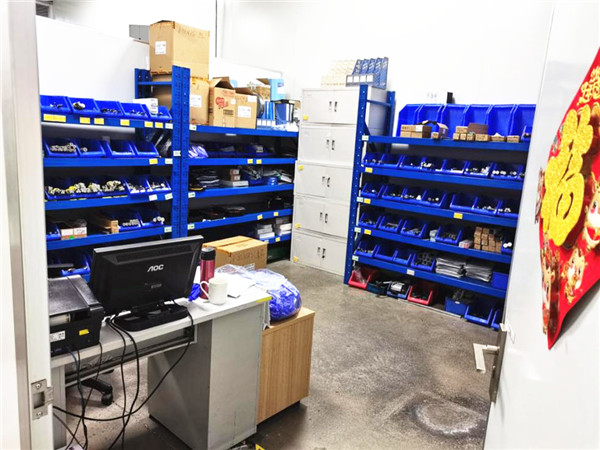
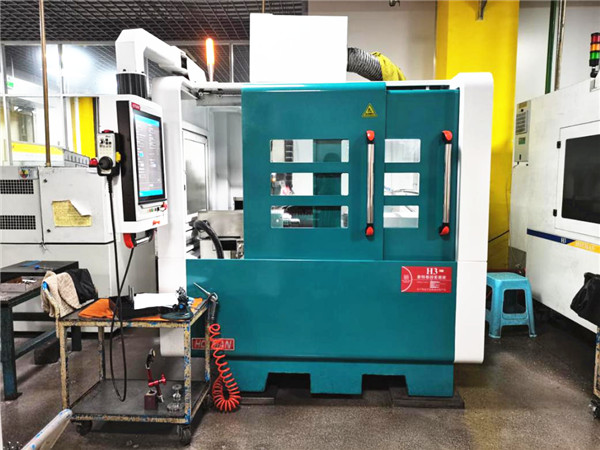
MSK CNC Tools (est. 2015, ISO 9001) supplies precision CNC cutting tools – from drills and end mills to custom solutions – backed by advanced German grinding and testing equipment, serving global industries with reliable quality.
MSK (Tianjin) Cutting Technology Co., LTD
Email: molly@mskcnctools.com
Phone: 0086-13602071763
Hot selling products

Post time: Jul-13-2026


