Walk into any machine shop, and you will see carbide end mills dominating the shelves. But when the job calls for deep holes, interrupted cuts, or tricky materials like stainless and aluminum, many seasoned machinists reach for a different workhorse: High Speed Steel drill bits. Not because carbide isn’t impressive—it is—but because HSS offers a unique combination of toughness, edge sharpness, and cost‑effectiveness that simply works better in real‑world conditions.
Let’s break down why HSS, particularly premium grades like HSSCO (cobalt‑enhanced HSS), is still the go‑to solution for drilling stainless steels and aluminum alloys—and why choosing the right geometry matters just as much as the material itself.
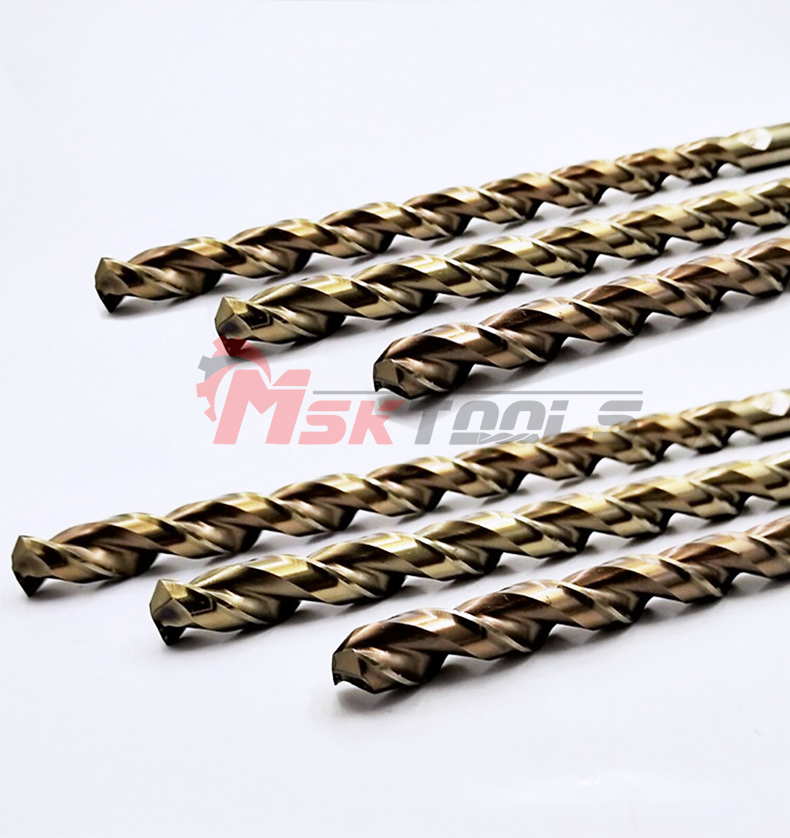
The Challenge: Two Very Different Materials, One Common Problem
Stainless steel and aluminum sit at opposite ends of the machining spectrum, yet both give standard drills a hard time.
Stainless steel (especially 304, 316, and duplex grades) is tough, gummy, and prone to work‑hardening. If the drill rubs instead of cuts, the surface hardens instantly, dulling the edge and generating excessive heat. The chips are stringy and do not break easily, leading to packing and tool seizure.
Aluminum is soft, but it produces long, continuous chips that cling to flutes. Without proper chip evacuation, those chips weld to the cutting edge, causing built‑up edge and ruining hole finish.
A drill that can handle both must be tough enough to absorb shock, sharp enough to shear cleanly, and designed to evacuate chips efficiently. That is exactly where HSS shines.
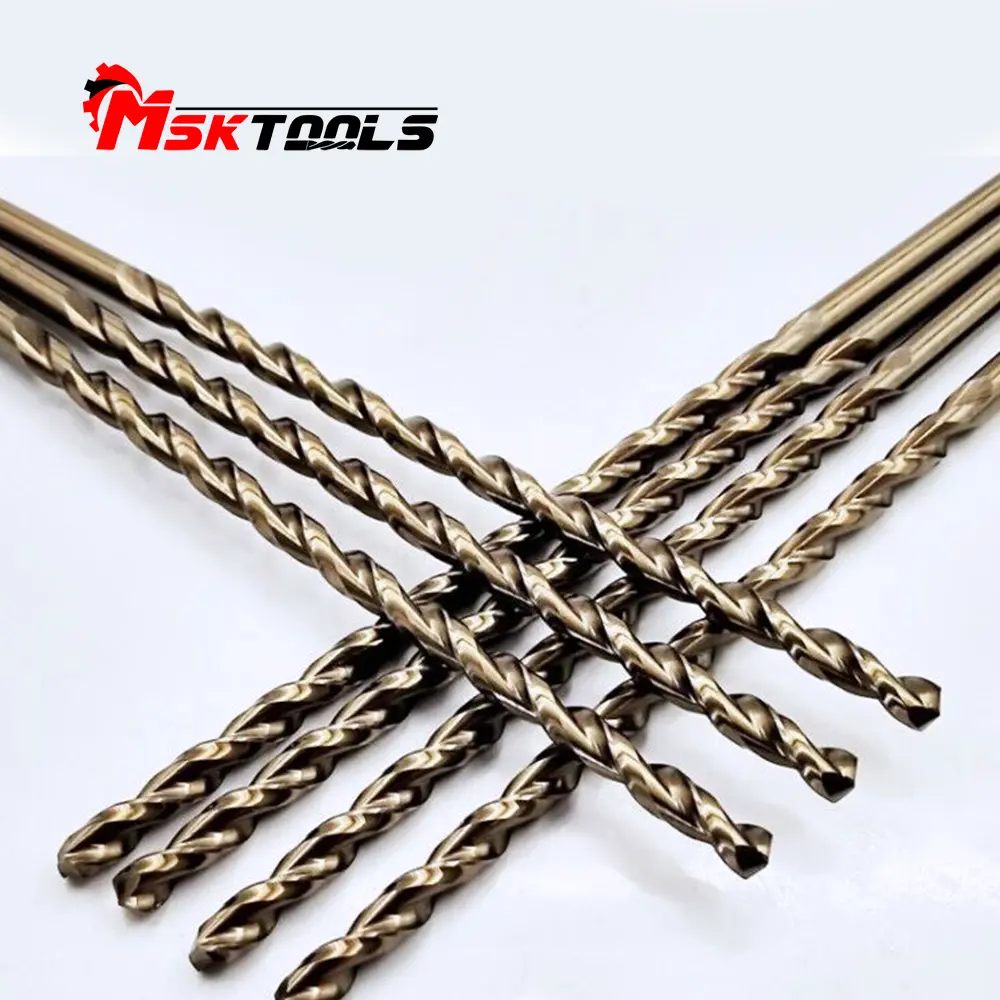
Why HSS Beats Carbide in These Applications
Many assume carbide is always superior because of its hardness and heat resistance. But for stainless and aluminum, hardness is not the only factor—here is why HSS often outperforms:
1. Superior Toughness and Impact Resistance
Carbide is brittle. In deep‑hole drilling or interrupted cuts, the slightest vibration can cause micro‑chipping or catastrophic fracture. HSS, with its fine carbide structure and added cobalt (like in HSSCO), flexes under load without breaking. This resilience is critical when the drill enters and exits the hole, especially in manual or older CNC machines with less rigid setups.
2. Sharper Cutting Edges
HSS can be ground to a keener edge than carbide, which reduces cutting forces. For aluminum, a sharp edge prevents smearing and BUE. For stainless, it lowers the chance of work‑hardening because the cut is clean, not burnished. Many HSS drills, like our MSK series, feature an inner broken‑line edge design that further stabilizes the cut and distributes forces evenly.
3. Cost‑Effective for Medium‑Volume Production
Not every job justifies the high price of solid carbide. For workshops that run batches in the hundreds or low thousands, HSS offers an excellent balance of tool life, performance, and price. With proper regrinding, an HSS drill can be resharpened multiple times, stretching your tooling budget significantly.
4. Adaptability to Less‑Than‑Ideal Conditions
In the real world, coolant pressure fluctuates, workholding isn’t always rigid, and operators sometimes push feeds conservatively. HSS forgives these variables. It tolerates intermittent coolant, slight misalignment, and variable speeds better than carbide, which demands near‑perfect conditions to deliver its best.
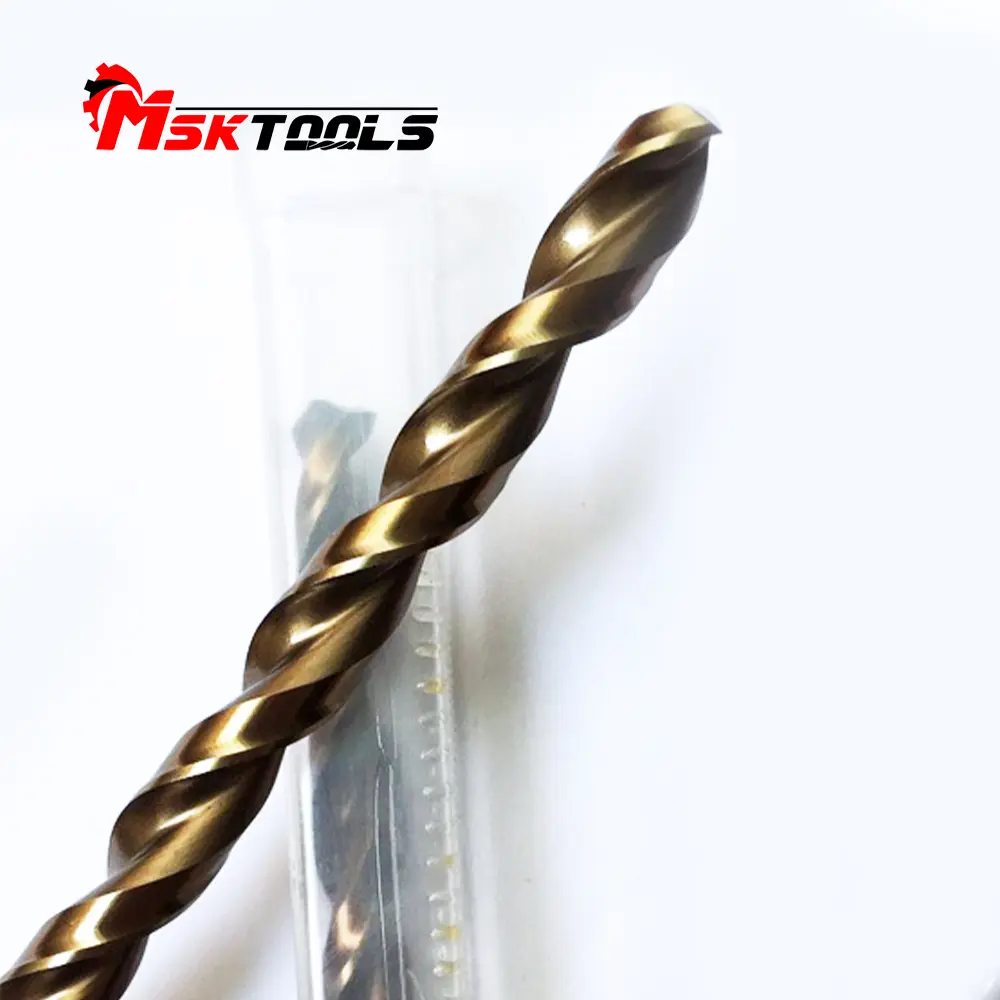
The Perfect Partner: Parabolic Flute Geometry
While the material is crucial, geometry amplifies its benefits. A standard HSS twist drill with straight flutes can still struggle with chip evacuation, especially in deep holes. That is why many of our HSSCO deep hole drills feature a parabolic flute profile.
This design widens the flute space progressively, giving chips a free path to exit. In stainless, it prevents the long, tough chips from jamming. In aluminum, it curls the long stringy chips and flings them out, reducing the need for frequent pecking. Combined with external cooling (the standard for our straight‑shank tools), the parabolic flute ensures that heat and chips never become the bottleneck.
Practical Tips for Drilling Stainless and Aluminum with HSS
To get the most from your HSS drill bits, follow these workshop‑proven guidelines:
| Material | Recommended Speed (SFM) | Feed Rate (IPR) | Coolant Strategy |
|---|---|---|---|
| Stainless Steel (304/316) | 40 – 70 | 0.004 – 0.008 | Heavy flood coolant; avoid intermittent application. |
| Aluminum (6061/7075) | 200 – 400 | 0.006 – 0.015 | Mist or flood; use a high‑lubricity fluid to prevent BUE. |
Peck drilling is rarely needed for depths up to 8× diameter with parabolic flutes—but if you experience stringy chips in aluminum, a light peck (e.g., every 3× diameter) helps break them.
Chip color tells a story: straw or bronze is normal for stainless; blue means you are too fast or feed is too low.
Tool holder rigidity matters—use a hydraulic or shrink‑fit holder whenever possible to minimise runout.
Why Choose MSK HSSCO Drills for Your Shop?
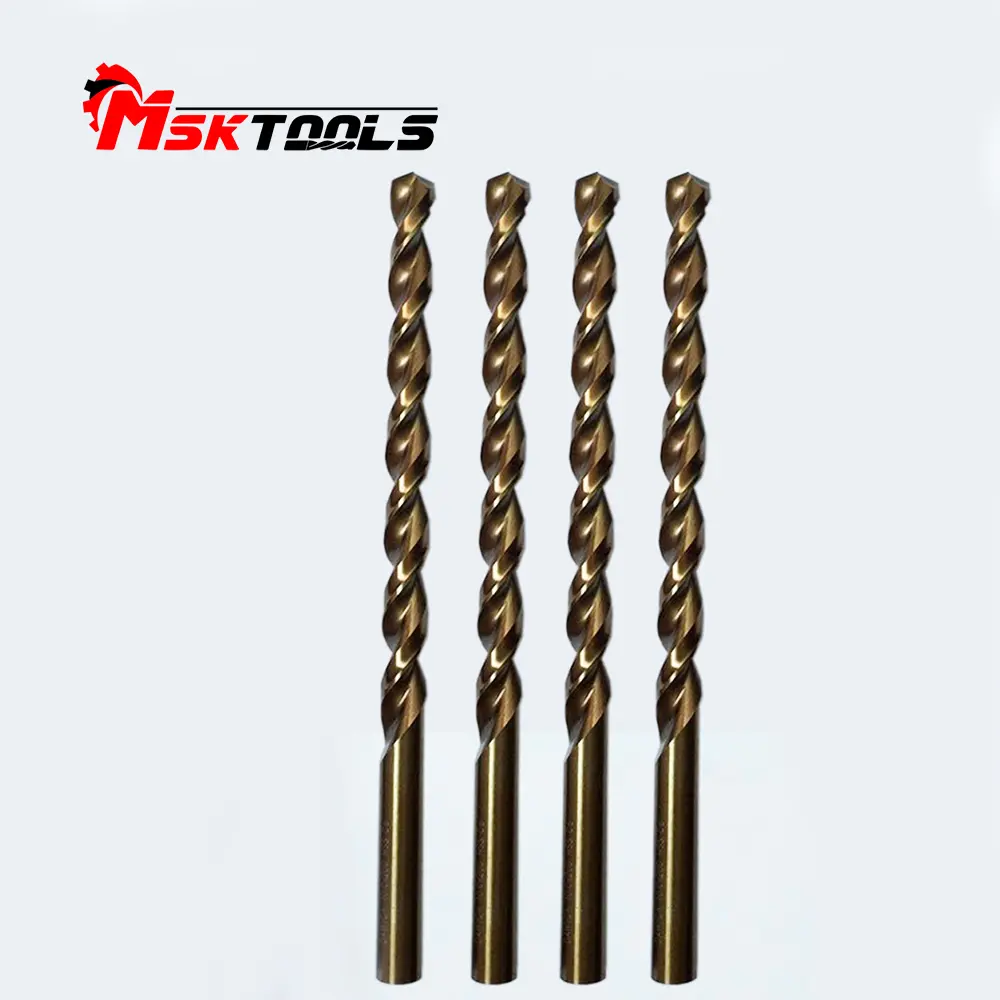
Our HSSCO series is not just standard HSS. The cobalt content raises red hardness and wear resistance, making it specifically suited for the heat generated in stainless drilling. Every drill is ground with a stable‑cutting edge that reduces vibration and improves hole roundness. And with a straight shank design and external cooling, they integrate seamlessly into your existing tooling system.
We stock popular sizes (like the 8mm diameter) with a minimum order quantity of just 5 pieces per size—so you can test them on your toughest jobs without committing to large volumes. Whether you are in Tianjin or shipping globally, we keep spot goods ready for quick dispatch.
The Verdict
Stainless and aluminum will always challenge drill bits, but the right tool makes the difference between a stressful shift and a productive one. High‑Speed Steel, especially when paired with intelligent flute design and proper application parameters, remains a reliable, versatile, and cost‑conscious choice for machine shops that value both performance and profitability.
Ready to upgrade your drilling process? Please send us a message molly@mskcnctools.com. Please let us know the most commonly used materials and hole depths - we will recommend precise HSSCO drill bit sizes and geometries based on your needs. Let's make your chip flow smoothly.
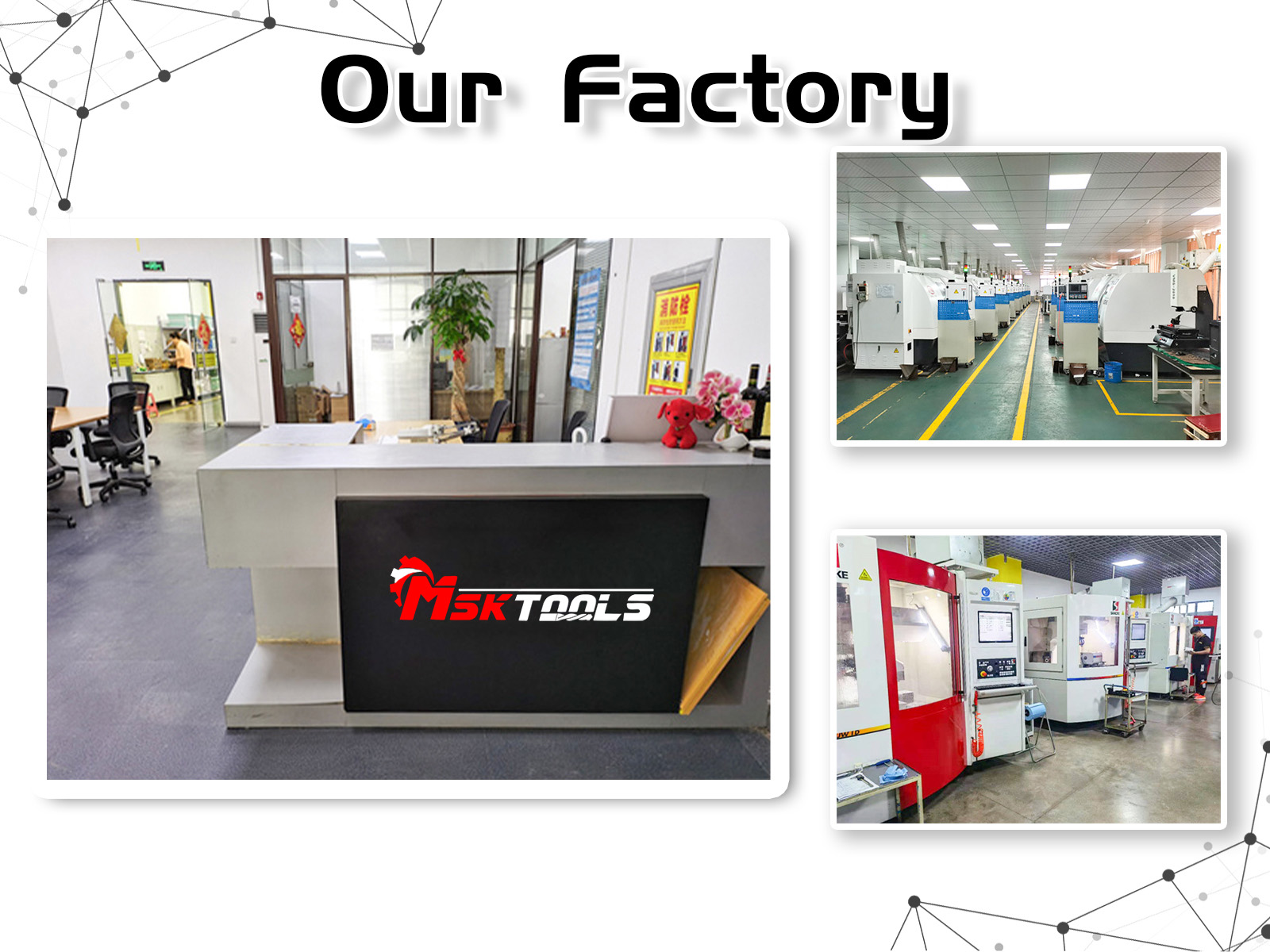
About MSK (Tianjin) International Trading Co., Ltd.
Founded in 2015 | ISO 9001:2016 certified
We specialize in high-end CNC tooling, backed by German SACCKE five-axis grinding centers, ZOLLER six-axis testing, and Taiwan PALMARY machine tools.
What we offer:
- Full-stock supply of milling cutters, taps, drills, blades, holders, dies, machine tools & more
- One-stop sourcing – from standard items to custom solutions (just share your specs and quantity)
- Expert support from a professional team
Who we serve:
Manufacturers, repair shops, tool & die makers, hospitals, hotels, schools, hobbyists, and beyond – fast, reliable service for every need.
Your satisfaction is our priority. Simple, efficient, and tailored to you.
Hot selling products
Post time: Jul-16-2026


