In the realm of rotary filing and grinding, the choice often boils down to two primary materials: High-Speed Steel (HSS) and Tungsten Carbide. While HSS burrs have a lower upfront cost, a detailed analysis of performance, longevity, and total cost of ownership reveals that Tungsten Carbide Rotary Burrs, particularly those made from grades like YG8, offer a significant and compelling advantage for serious users.
The most immediate difference is hardness. Tungsten carbide is substantially harder than HSS. On the Rockwell C scale, HSS typically ranks around 62-64 HRC, while carbide can reach 90 HRA (approximately equivalent to 73 HRC). This inherent hardness translates directly into wear resistance. A carbide burr rotary file bit will maintain its sharp cutting edges exponentially longer than an HSS counterpart when working on abrasive materials like stainless steel, cast iron, or carbon fiber. This means fewer interruptions for tool changes, leading to dramatic increases in productivity—a critical factor in professional settings where time is money.
The economic argument becomes clear when considering cost-per-part or cost-per-hour of operation. While an HSS burr may cost a third of a carbide burr, it might need to be replaced after a few hours of work on tough materials. A carbide grinding head, on the other hand, could last ten to twenty times longer, or even more. This reduction in consumable tooling costs and the associated labor for changing tools quickly closes the initial price gap. For a workshop running multiple shifts, the long-term savings offered by carbide are substantial.
Performance under heat further separates the two. HSS tools begin to lose their hardness at temperatures around 600°F (315°C), a threshold easily reached in aggressive grinding. This annealing effect causes the tool to dull rapidly. Carbide, however, retains its hardness at temperatures well over 1000°F (538°C), allowing it to operate effectively at higher speeds and feeds without breaking down. This capability for faster material removal directly boosts output.
Furthermore, the versatility of a premium YG8 tungsten steel grinding head is unmatched by HSS. An HSS tool would be quickly destroyed if used on materials like stone or ceramic. The tough carbide construction, however, allows one tool to seamlessly transition from heavy-duty metalworking to sculpting marble or jade, making it an incredibly valuable multi-material asset.
In conclusion, while HSS burrs have their place for very occasional use or on extremely soft materials, for any consistent, professional, or demanding application, the investment in Tungsten Carbide Rotary Burrs is unequivocally the smarter choice. The combination of superior performance, dramatic longevity, and reduced operational downtime delivers a powerful return on investment that simply can’t be matched by traditional steel tools.
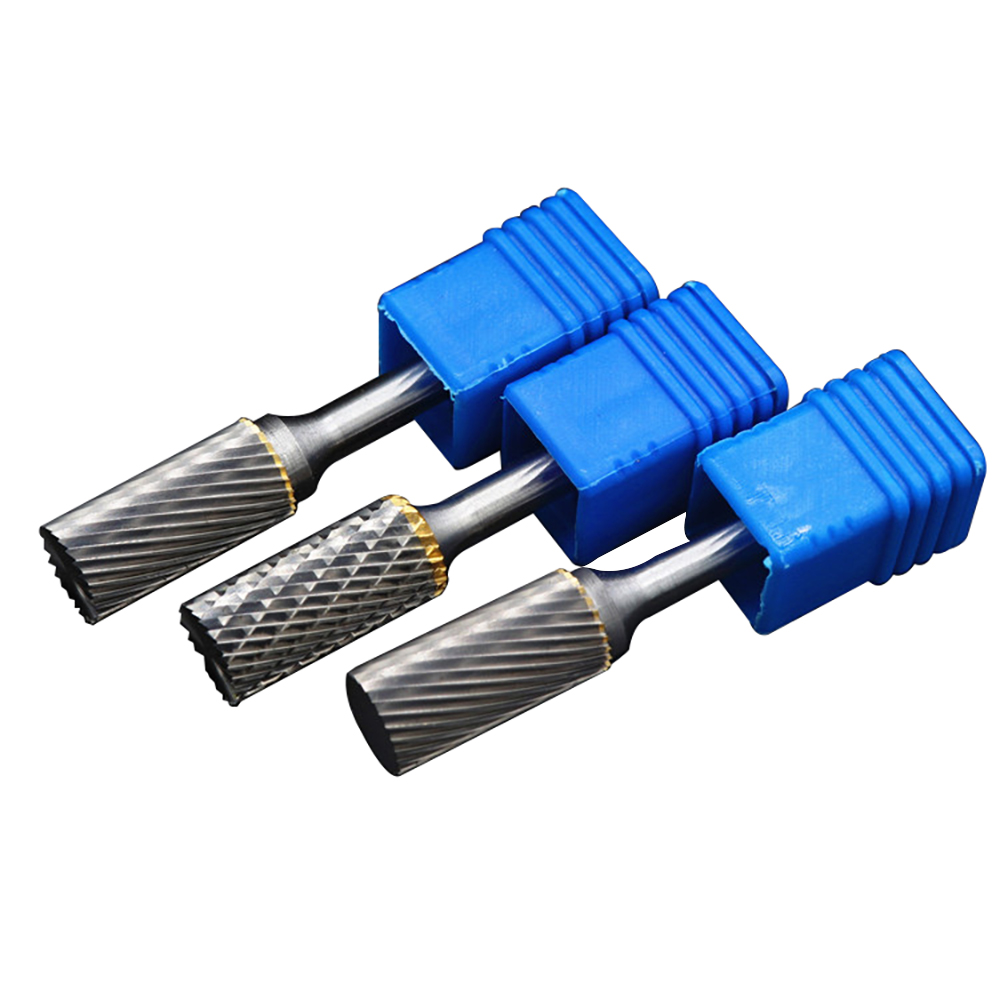
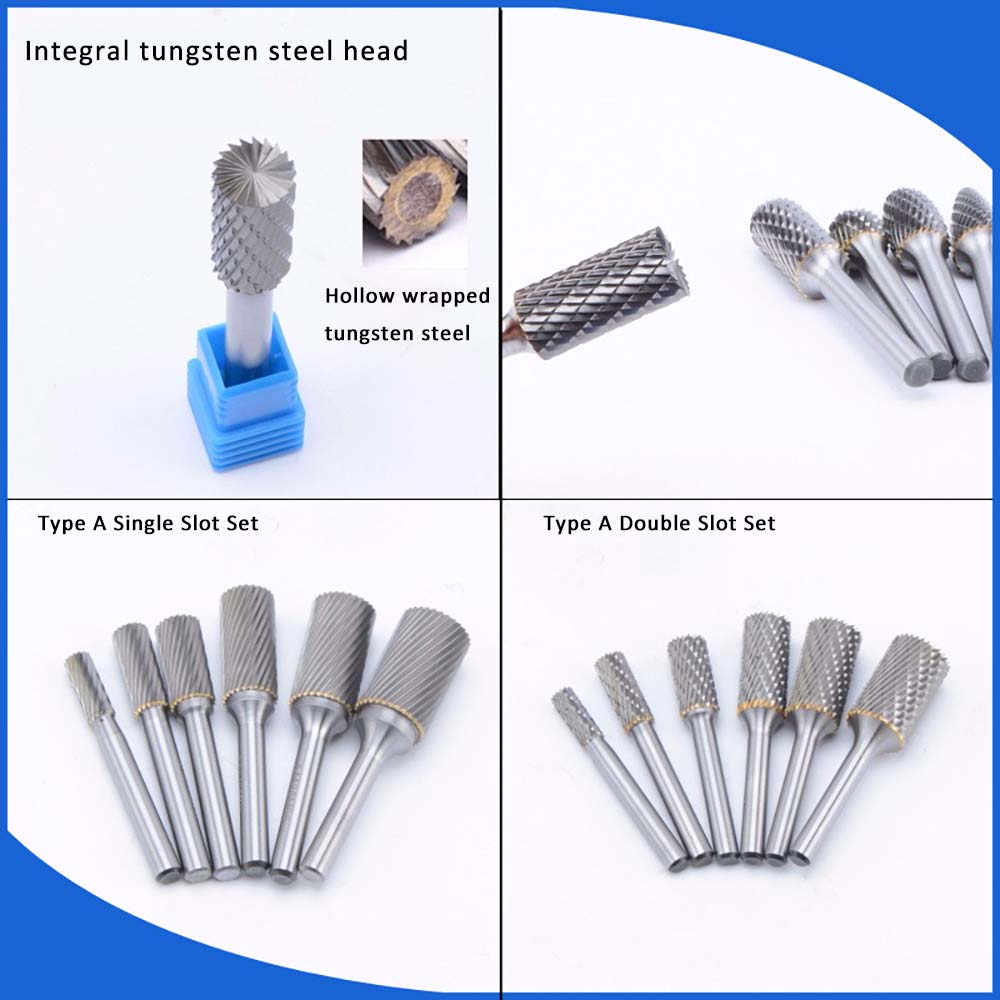
Product Spotlight: Our recommended tool for this comparison is made of YG8 tungsten steel. This versatile rotary file is capable of processing iron, cast steel, bearing steel, high carbon steel, alloy steel, stainless steel, copper, aluminum, as well as non-metals like marble, jade, and bone.
Post time: May-26-2026


