In the competitive world of metalworking, choosing the correct drill bit is not just about hole size—it is about material science. For professionals tackling tough alloys, stainless steel, and cast iron, the debate often narrows down to two heavyweight champions: M35 vs M42 Cobalt drill bits.
Both are high-speed steel (HSS) grades enhanced with cobalt, offering superior heat resistance compared to standard HSS. However, subtle differences in their chemical composition significantly impact performance, durability, and application. Today, we break down the technical battle to help you make the best purchasing decision for your workshop.
The Chemistry Behind the Cut
The distinction between these two bits lies in their cobalt and tungsten content.
M35 (HSS-Co 5%): Contains approximately 5% cobalt and a moderate amount of tungsten. This alloy provides a balanced increase in hardness and heat resistance (up to 650°C) without becoming overly brittle.
M42 (HSS-Co 8%): Contains roughly 8% cobalt and higher vanadium content. This higher concentration of cobalt allows for superior red hardness, maintaining its cutting edge at temperatures soaring up to 700°C.
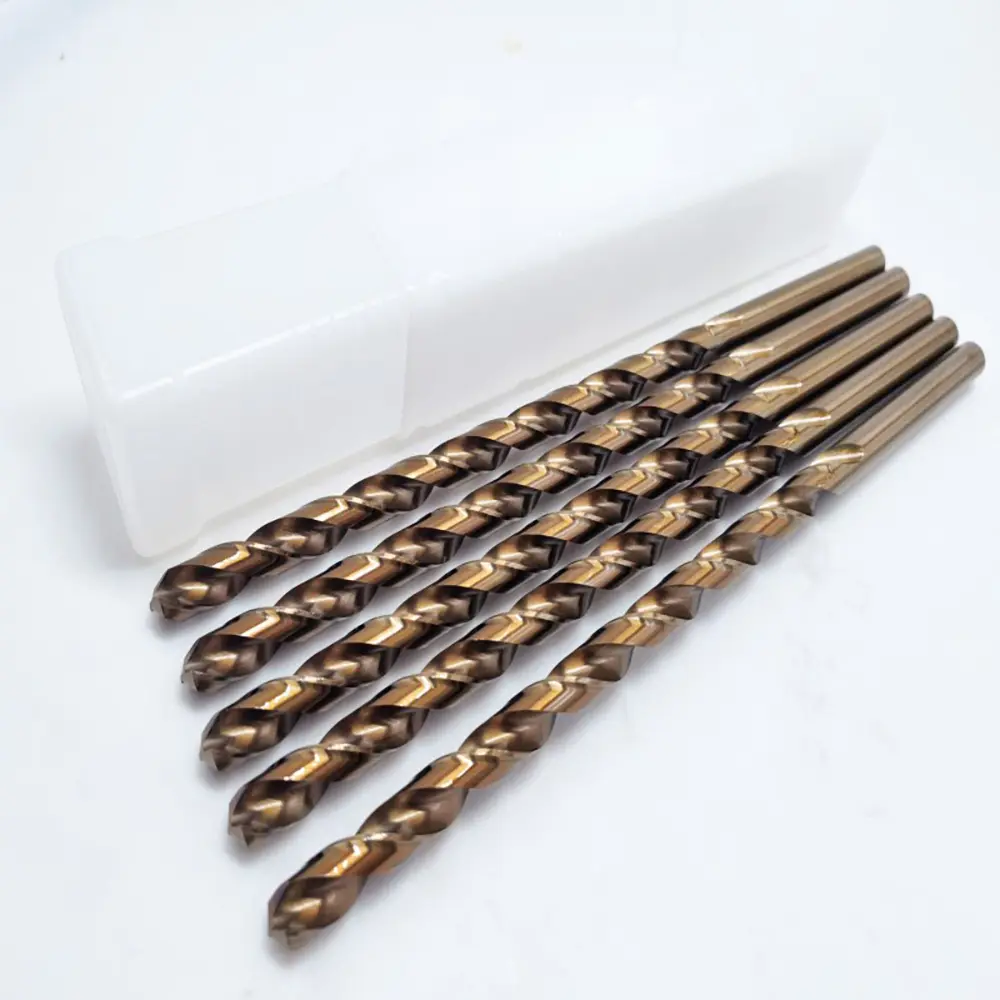
Performance Comparison: Head-to-Head
1. Hardness and Wear Resistance
When checking the Rockwell hardness (HRC), M42 generally scores slightly higher (65-67 HRC) compared to M35 (64-66 HRC). This gives M42 an edge in abrasive materials like fiberglass and printed circuit boards. Conversely, M35 offers a better "toughness" ratio, making it more resistant to chipping under lateral stress.
2. Heat Resistance
In high-speed production environments where friction generates intense heat, M42 outperforms M35. The 8% cobalt content allows it to "run cooler" for longer periods, making it the preferred choice for high-volume CNC operations and drilling into hard stainless steel (316/304).
3. Cost-Effectiveness
There is a significant price gap. M35 is generally more affordable and covers 80% of general workshop needs. M42, being a premium super-cobalt alloy, is more expensive. The rule of thumb is: Buy M35 for versatility; buy M42 for specific, demanding jobs.
Which One Should You Choose?
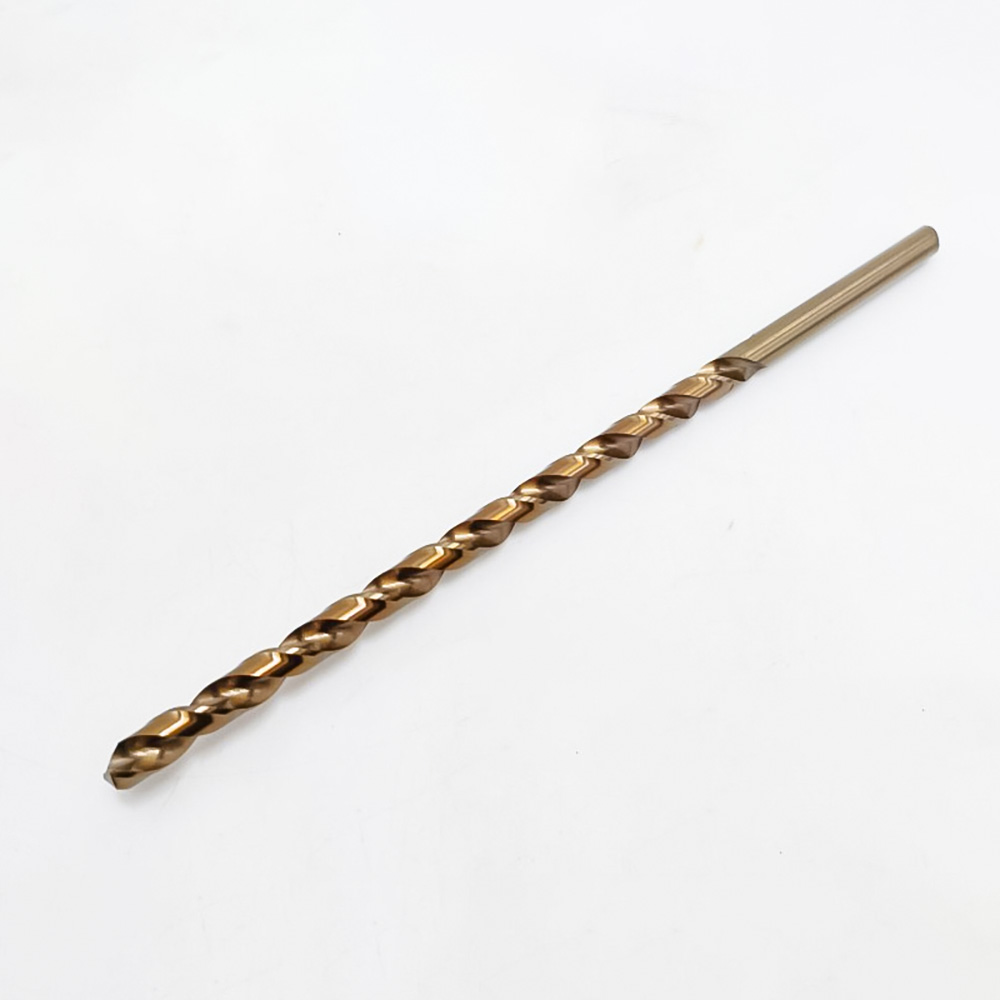
Choose M35 Cobalt Bits if:
You are drilling mild steel, cast iron, or aluminum.
You need a durable bit that resists breakage in hand-held drills.
You are looking for the best value for general maintenance and repair.
Choose M42 Cobalt Bits if:
You are drilling high-tensile stainless steel or titanium.
You require maximum tool life and speed in automated machinery.
You are working with extremely hard materials where standard bits fail instantly.
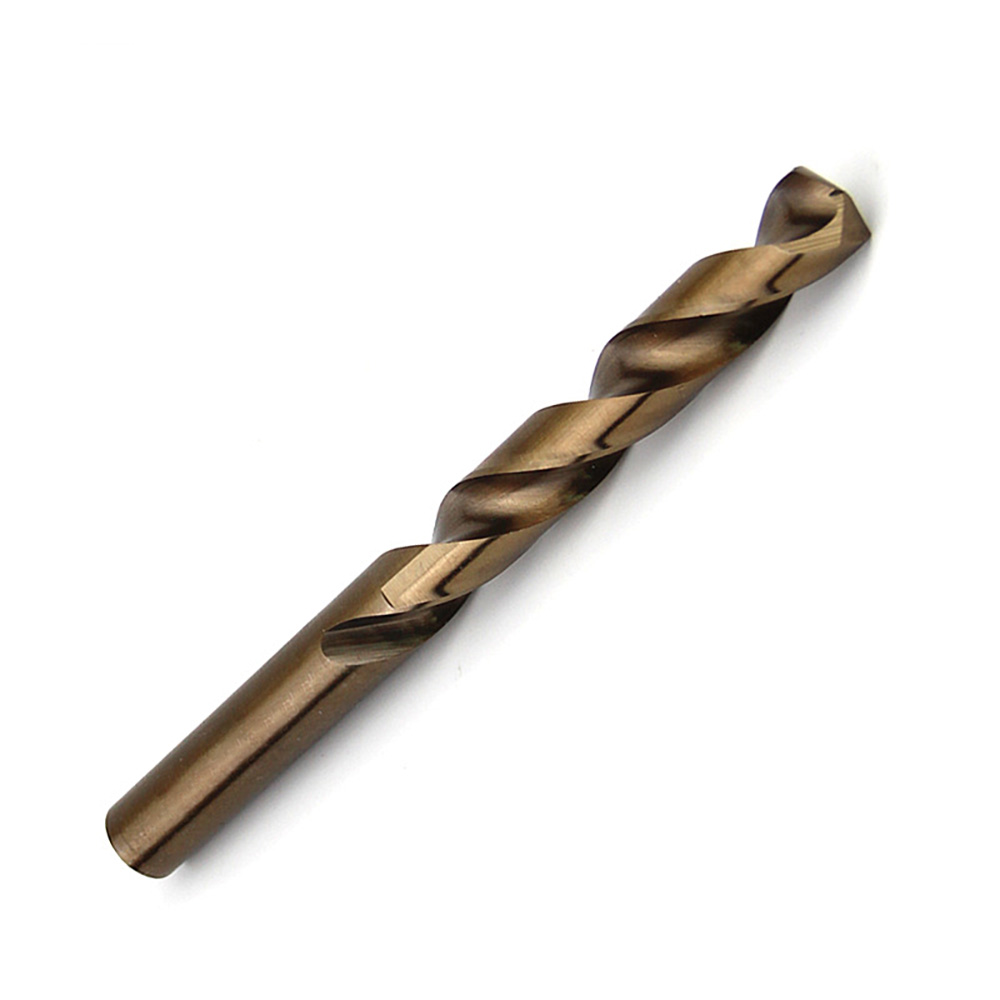
Market Trends and Availability
As of 2026, the global shift toward CNC automation has increased the demand for M42 cobalt bits due to their ability to maintain tolerances at high speeds. However, the M35 remains the top seller among independent contractors due to its durability and lower upfront cost.
Pro Tip: Regardless of the material you choose, ensure you are using the correct cutting fluid. Using a high-sulfur cutting oil can extend the life of your M35 or M42 drill bits by up to 50%, protecting your investment and ensuring cleaner holes.
Conclusion
The battle between M35 vs M42 cobalt drill bits is not about which is "better" in a vacuum, but which is "better" for your specific application. While M42 reigns supreme for extreme heat and hardness, M35 remains the golden standard for balanced, cost-effective performance.
Ready to upgrade your tooling inventory? Browse our selection of premium M35 and M42 cobalt drill bits today to find the perfect match for your metalworking challenges.
Hot selling products
Post time: Jun-26-2026


