A recent analysis of machining operational costs has highlighted a significant, often overlooked, expense: the continual outsourcing of cutting tool re-sharpening. With external service costs, shipping fees, and production delays, the bill for maintaining a inventory of sharp tools adds up quickly. The introduction of a versatile, fast, and easy-to-use End Mill Cutter Sharpening Machine is proving to be a powerful solution, with many users reporting a return on investment in a matter of months.
The financial argument for bringing sharpening in-house is compelling. The cost of sending a single carbide end mill for professional sharpening can often reach 30-50% of the price of a new tool. For a workshop using hundreds of tools, this annual expense is enormous. This grinding machine effectively caps that cost after its initial purchase. The consumable cost per sharpening—essentially just a minuscule amount of grinding wheel wear—is negligible.
The machine's broad applicability is a key driver of its ROI. It is not a single-purpose device. It serves as a complete sharpening cell for the most common cutting tools in a workshop: end mills (2/3/4-flute) and twist drills (straight and taper shank). By consolidating the sharpening needs for both tungsten carbide and high-speed steel tools into one unit, it eliminates the capital outlay for multiple machines.
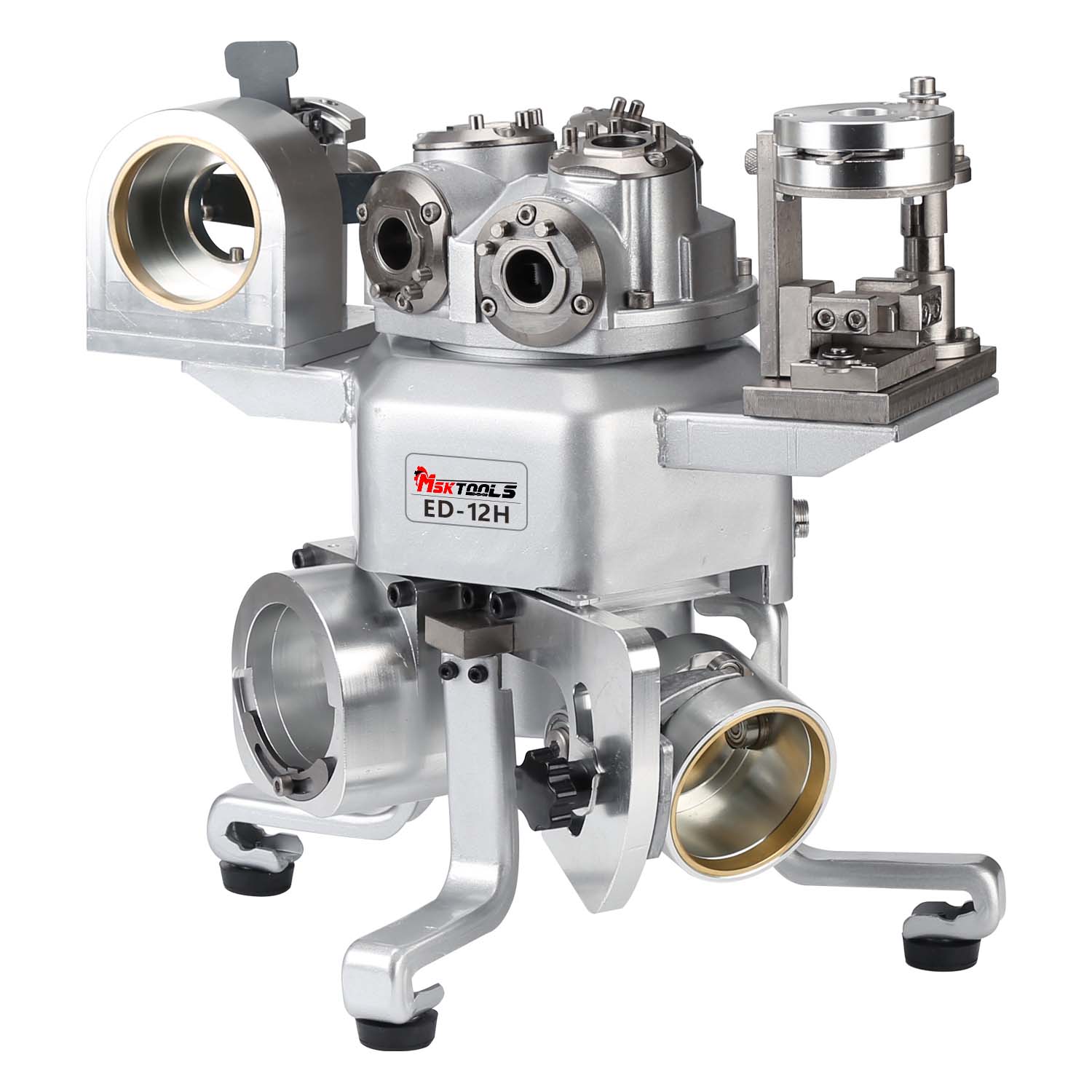
Speed translates directly into money saved on labor. The ability to finish a complete grind on an end mill in about one minute means that sharpening tasks no longer require a dedicated, highly skilled operator for long periods. The "easy to handle" design philosophy ensures that regular machine operators can quickly learn the process, integrating quick sharpening cycles into their workflow without significant downtime. This keeps valuable CNC machines running and productive.
Furthermore, the machine doesn't just sharpen; it enhances tool life through superior geometry control. The ability to adjust the mill cutting edge to be suitable for the specific material being processed means tools can perform more efficiently, generate less heat, and experience less wear, effectively extending their usable life beyond what standard re-sharpening offers. For drill bits, the same principles apply, ensuring clean, precise holes and longer bit life.
The technical specifications guarantee this performance: no need to change the grinding wheel between different end mills, no limitation on drill length, and the capacity to grind all essential angles. By taking control of the sharpening process, workshops also gain control over their tooling budget. The reduction in new tool purchases, the elimination of external service costs, and the increase in machine uptime create a trifecta of savings that makes this grinding machine not just a tool, but a strategic financial asset for any serious machining business.
Post time: Apr-09-2026


