A breakthrough in surface treatment technology is redefining performance for carbide boring tools, promising significant gains in efficiency, finish quality, and tool longevity for precision manufacturers worldwide. Leveraging an advanced passivation process developed in Germany, the latest generation of tools delivers a unique paradox: a microscopically modified edge that cuts sharper, faster, and cleaner than ever before.
For decades, the pursuit of ultimate sharpness in carbide tooling often led to a critical vulnerability: fragile, razor-thin edges prone to micro-chipping and rapid wear, especially under high-load boring operations in tough materials like hardened steels, superalloys, and cast irons. This fragility resulted in inconsistent finishes, increased cutting resistance, premature tool failure, and the frustrating phenomenon of "cutting tumors" – built-up edge (BUE) where workpiece material welds onto the tool, degrading performance and surface quality.
The newly optimized passivation process directly addresses this challenge. Moving beyond simple edge rounding or traditional coating application, this proprietary German technology involves a highly controlled chemical and mechanical treatment. It precisely modifies the micro-geometry of the cutting edge at a sub-micron level.
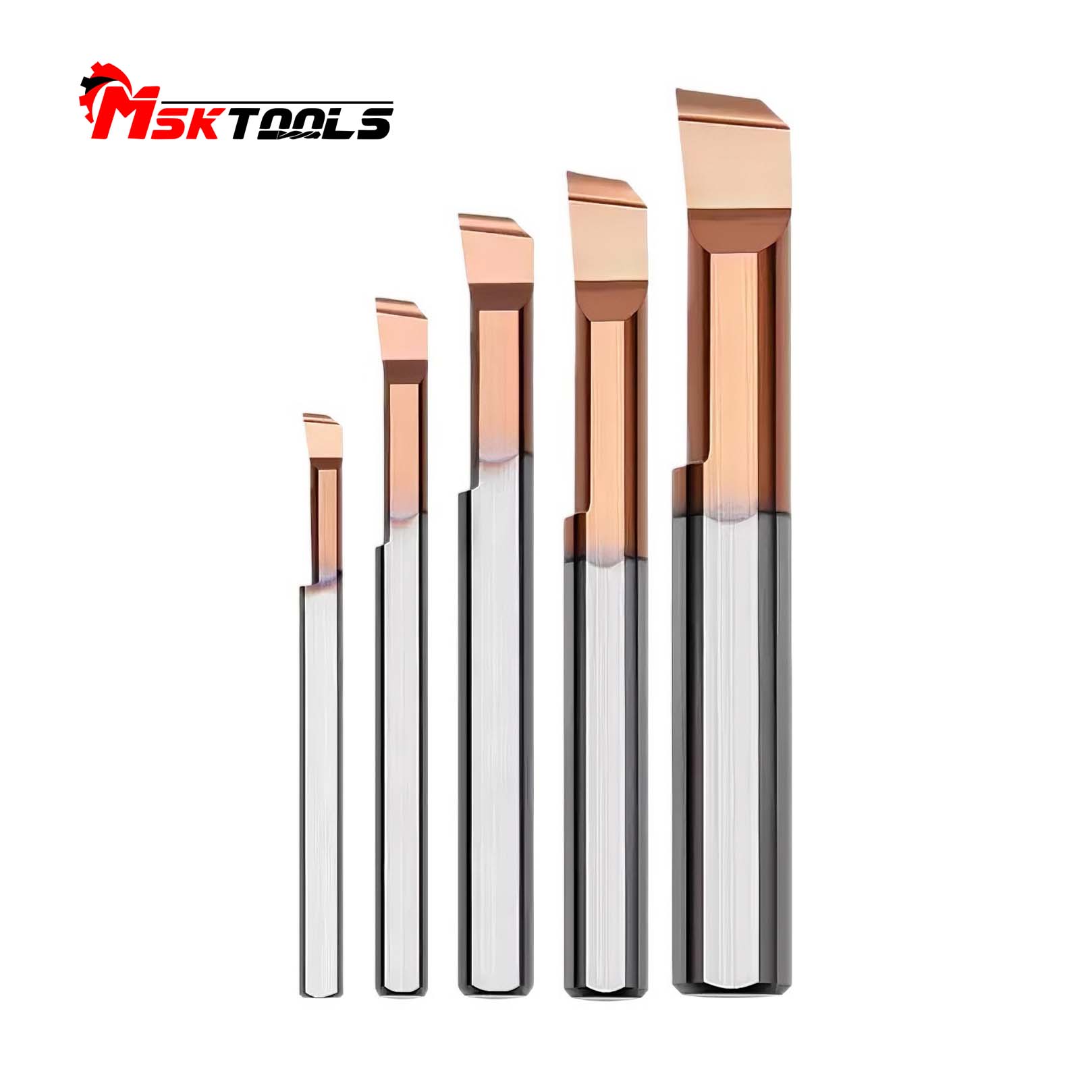
The Science of Controlled "Dulling":
Targeted Micro-Bevel Creation: Instead of leaving an atomically sharp (and brittle) edge, the process creates an incredibly consistent, minuscule bevel or radius along the cutting edge. This micro-bevel is engineered to be just large enough to eliminate the weakest, most fracture-prone points.
Eliminating Micro-Defects: The process simultaneously smoothens and removes inherent microscopic irregularities and stress points left from the grinding process, creating a flaw-free transition zone behind the actual cutting edge.
Enhanced Edge Integrity: The result is an edge that retains exceptional sharpness for cutting but possesses dramatically increased strength and resistance to chipping and flaking.
Performance Gains in the Real World:
This meticulously engineered edge translates into tangible benefits on the shop floor:
"Sharp & Fast" Cutting: Contrary to intuition, the passivated edge experiences significantly less cutting resistance. By preventing micro-chipping and the initiation of BUE, the tool maintains its designed geometry and sharpness far longer. This allows for higher machining speeds (Vc) and feed rates (f) without sacrificing edge integrity, directly boosting productivity.
Superior High Finish: The elimination of micro-chipping and built-up edge is critical for achieving exceptional surface finishes. The stable, smooth cutting action produces bores with remarkably lower Ra values, often eliminating secondary finishing operations. The "German machining process" heritage emphasizes this pursuit of ultimate precision and surface perfection.
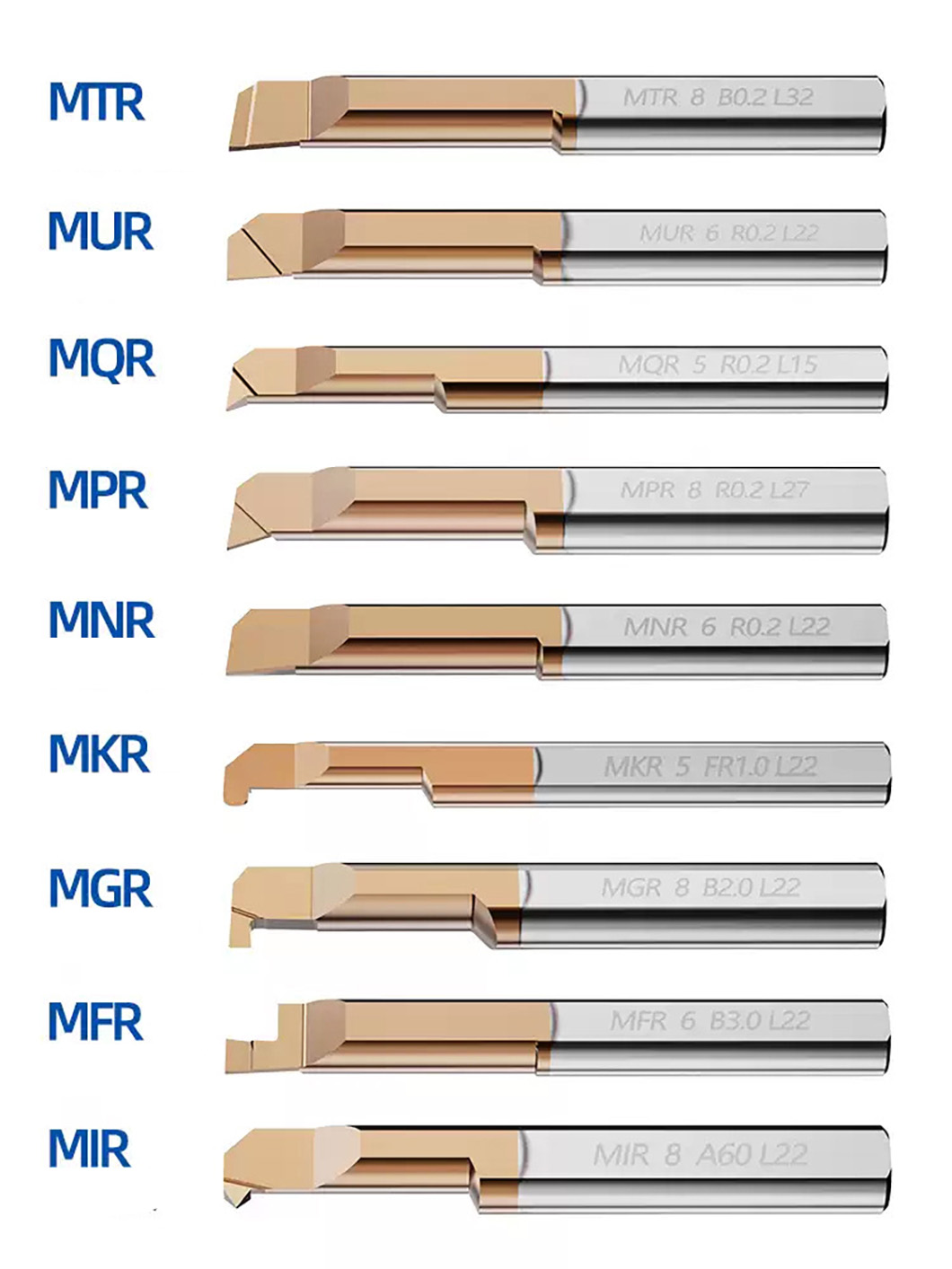
Reduced Cutting Tumors (BUE): By smoothing the edge and removing stress points, the passivation minimizes the nucleation sites where workpiece material can adhere. Combined with the smoother cutting action and reduced friction, this drastically reduces the formation of built-up edge, ensuring consistent chip flow and stable cutting forces.
Extended Tool Life: The enhanced edge strength and resistance to chipping and wear mechanisms directly translate to longer usable tool life. Tools run consistently for more parts before requiring replacement or reconditioning, reducing downtime and tooling costs per part.
Increased Process Reliability: Reduced cutting resistance and suppression of BUE lead to more predictable, stable machining conditions. This minimizes vibration, improves dimensional accuracy, and reduces the risk of scrapped parts due to tool failure or poor surface quality.
Industry Impact and Availability:
The technology is particularly beneficial in demanding applications common in aerospace, automotive powertrain, medical device manufacturing, and energy sectors, where boring deep, precise holes in difficult materials is routine. Manufacturers struggling with finish quality, tool life inconsistency, or built-up edge issues are prime candidates to benefit.
Post time: Jul-04-2025


