The hardware store aisle can be a confusing place, with drill bits available in a dizzying array of types and prices. For professionals and serious hobbyists, the choice is critical. The difference between a job done well and a job done over often lies in the choice of tool. This guide breaks down the key features that set professional-grade tungsten steel twist drill bits apart, focusing on the material science and manufacturing excellence that define them.
The most significant differentiator is the material. The term "tungsten steel" (often used interchangeably with "carbide" in common parlance, though technically a tungsten-carbide alloy) refers to a composite material known for its extreme properties. Tungsten carbide particles are bonded together with a cobalt matrix, creating a material that is significantly harder than hardened steel. This inherent high hardness is the primary reason these bits can cut through hardened metals, abrasive plastics, and other challenging materials that would quickly destroy standard bits.
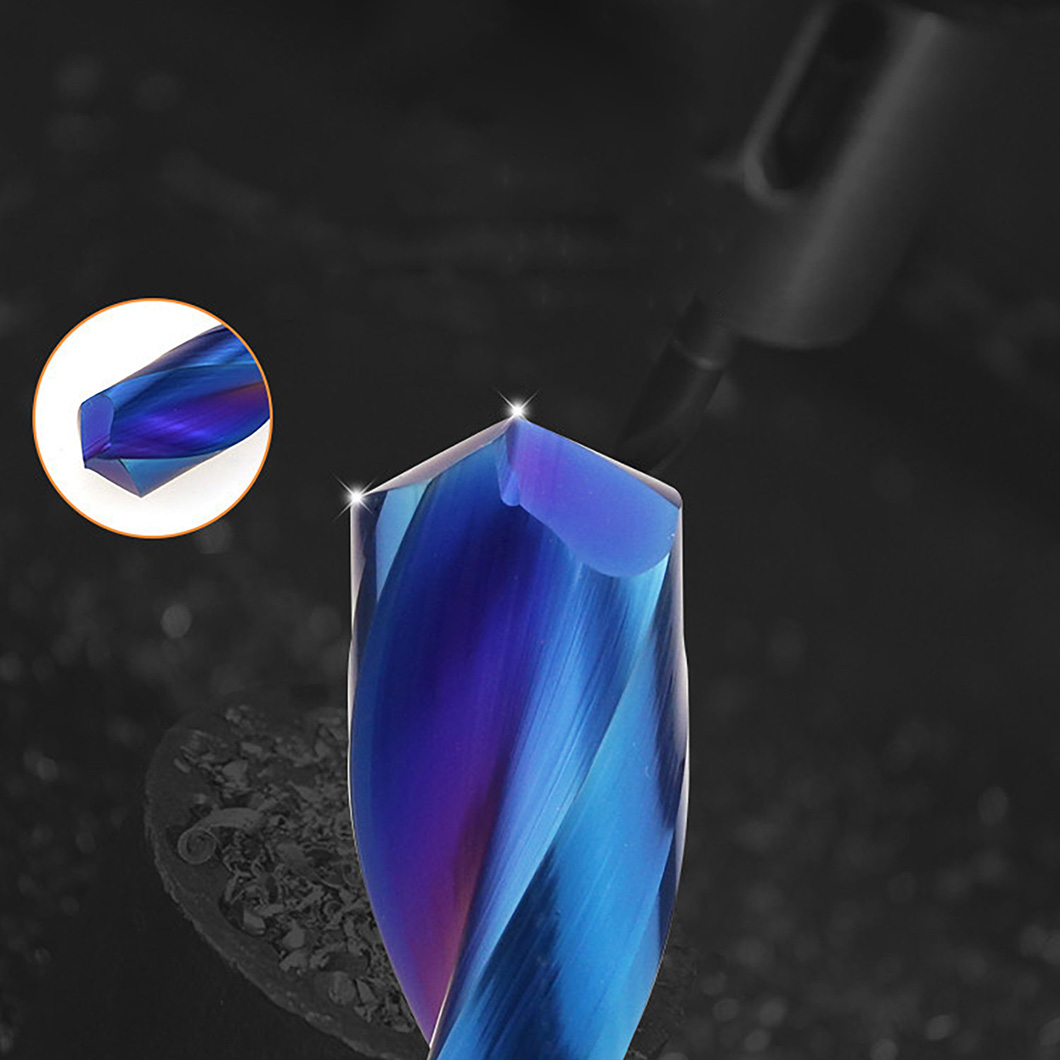
However, hardness alone is not enough; a tool must also withstand impact. The high-temperature quenching process is a critical step in heat treatment that enhances the toughness of the cobalt binder, reducing the brittleness often associated with very hard materials. This process optimizes the bit, giving it strong wear resistance for long life while maintaining enough toughness to handle the pressures of drilling without chipping or fracturing.
The design is equally important. True precision twist drill bits are characterized by their exact geometry. The point angle (usually 118° or 135° for harder metals) must be ground with perfect symmetry to ensure the bit cuts evenly and doesn't create an oversized hole. The flutes must be smoothly polished to allow chips to escape freely, preventing heat buildup. The straight shank must be perfectly concentric with the drill point; any deviation causes run-out, leading to vibration, poor hole quality, and accelerated wear on the drilling machine itself.
Finally, the assurance of quality comes from the manufacturing process. A claim of strict inspection of each drill bit is what separates a trusted brand from a generic import. This means every aspect of the bit is verified statistically or 100% inspected using laser measuring systems and other precision instruments. This commitment, upheld from R&D to testing to factory, is the only way to ensure the quality of each drill bit in inventory. When selecting a drill bit, looking for these key indicators—superior tungsten steel material, precision grinding, and a transparent commitment to quality control—will ensure you select a tool that delivers performance, reliability, and value for your most demanding projects.
Post time: May-25-2026


