In an era of rapid automation where robotics and CNC (Computer Numerical Control) machinery dominate high-volume production lines, one might expect a simple tool like the straight shank twist drill bit to become obsolete. Paradoxically, its role is more secure than ever. This ubiquitous tool has seamlessly transitioned from the hands of the artisan to the automated chucks of machining centers, remaining a critical and cost-effective component in global manufacturing.
The key to its enduring relevance is its perfect balance of performance, versatility, and economics. While specialized tooling exists for specific high-volume operations, no other tool offers the same breadth of application for general-purpose hole-making. A machining center equipped with a standard straight shank drill bit can process everything from aluminum prototypes to stainless steel fixtures simply by changing the program and cutting parameters, not the tool holder system. This flexibility is invaluable in job shops and industries with short production runs and frequent design changes.
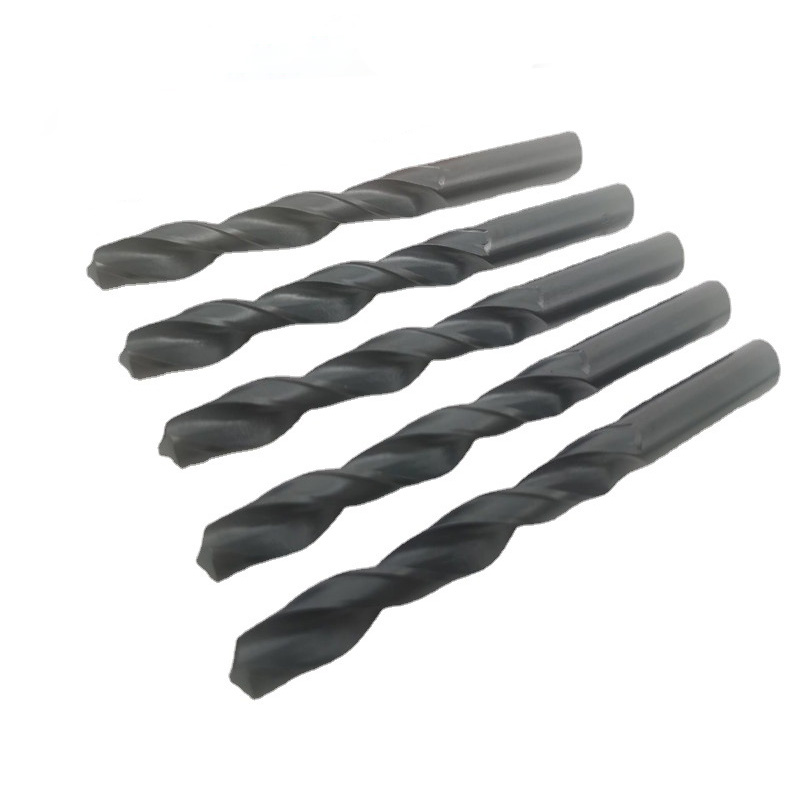
The market for drill bits is a massive global industry, reflecting their universal demand. It is segmented primarily by material (HSS vs. Carbide), coating type, and application (wood, metal, masonry). Despite the availability of premium options, the high-speed steel segment continues to hold a dominant market share. This is driven by its unbeatable cost-to-performance ratio for the vast majority of applications. For small workshops and the massive DIY sector, HSS bits are the consumable of choice—affordable, effective, and readily available.
Furthermore, the growth of the DIY and home improvement market, particularly in North America and Europe, has created a sustained consumer-level demand for quality drill bits. Major tool brands have invested heavily in marketing coated and specially engineered bits to this audience, promising longer life and cleaner holes in everything from decking to sheet metal. This has elevated the perceived value of the drill bit from a simple accessory to a performance-defining component.
However, the industry is not static. Trends like lightweighting in aerospace and automotive sectors, which involve drilling into composites and high-strength alloys, are pushing the development of more sophisticated carbide and diamond-coated bits. Similarly, the rise of Industry 4.0 and smart factories is leading to the integration of tool monitoring systems. In the future, we may see drill bits with embedded sensors that can communicate their wear status directly to the machine, triggering an automatic changeout before a failure occurs.
The straight shank twist drill bit exemplifies a technology that is so perfectly adapted to its function that it becomes timeless. It has not been replaced by automation; instead, automation has been built around it. Its simple, effective design and economic manufacturing ensure it will continue to be the workhorse of workshops and factories worldwide for decades to come.
Hot selling products
Post time: Jun-15-2026


