To the untrained eye, one twist drill bit may look much like another. However, beneath the familiar spiral form lies a world of advanced metallurgy and material science that dictates performance, durability, and application. The evolution of the straight shank twist drill bit from a simple tool steel instrument to a high-tech marvel is a story of innovation driven by the relentless demands of modern industry.
The bedrock of the drill bit world remains High-Speed Steel (HSS). This isn't ordinary steel; it's a complex alloy typically containing tungsten, molybdenum, chromium, and vanadium. These additives give HSS its defining characteristic: red hardness. This means the material can maintain its structural integrity and cutting edge even when it glows red-hot from friction, a common occurrence in high-speed drilling. Within HSS, there are further grades, such as M2 and M35 (which contains cobalt), each offering incremental improvements in heat resistance, toughness, and wear characteristics.
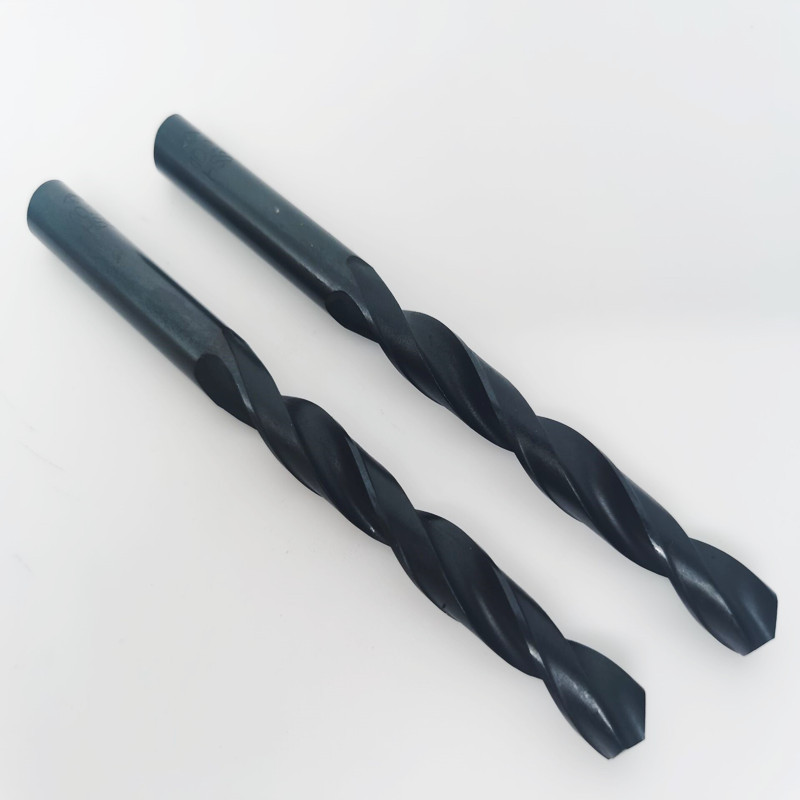
For a significant performance leap, industry turns to carbide. Solid carbide or carbide-tipped drill bits represent the high end of the spectrum. Tungsten carbide is exceptionally hard—nearly on par with a diamond. This makes it ideal for drilling into abrasive materials like fiberglass, carbon fiber, cast iron, and hardened steels. A carbide tip brazed onto an HSS shank provides the perfect marriage of a super-hard cutting edge with a tough, shock-absorbing body. This combination offers dramatically longer tool life and higher feed rates than HSS alone, though it comes at a higher cost and requires more rigid machinery to prevent brittle fracture.
The material is only part of the equation. Surface treatments and coatings are the secret weapons that supercharge a drill bit's capabilities. The most common coating is a golden-hued Titanium Nitride (TiN). This ceramic coating drastically increases surface hardness and reduces friction, allowing the bit to run cooler and last up to three times longer than an uncoated equivalent. More advanced coatings like Titanium Aluminum Nitride (TiAlN) and Aluminum Titanium Nitride (AlTiN) provide even greater heat resistance, making them suitable for dry, high-speed machining of tough alloys.
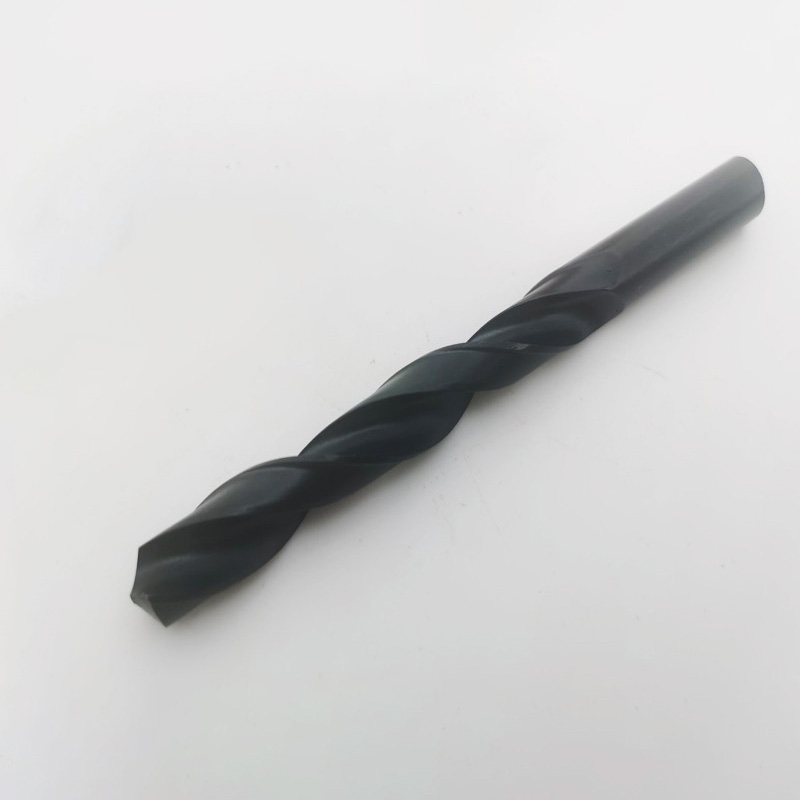
The geometry of the spiral groove itself is also subject to optimization. While the standard 2-flute design is a jack-of-all-trades, variations exist. A slower spiral (lower helix angle) is better for drilling metals like aluminum, where it provides a sharper cutting angle and better chip control. A faster spiral (high helix angle) is designed for soft materials like wood and plastic, facilitating rapid chip ejection. Some bits feature three flutes, which can offer better centering and a finer finish in certain metals.
The humble drill bit is, therefore, a precision instrument whose design is meticulously calculated. The choice of substrate material, the application of advanced coatings, and the precise geometry of its flutes are all tailored to conquer specific materials. This continuous refinement ensures that this foundational tool remains at the cutting edge of manufacturing technology.
Post time: May-08-2026


