In the world of machining, precision and efficiency are paramount. The toolholder is one of the key components in achieving these goals. This seemingly simple device plays a vital role in the performance of lathes and other turning machines, ensuring that cutting tools are securely held in place and providing the necessary support for various machining operations. In this blog, we'll explore the importance of toolholders, their types, and how to choose the right one for your specific needs.
What is a turning tool holder?
A tool holder is a device used to hold a cutting tool on a lathe or turning machine. Its purpose is to hold the tool at the correct angle and position to precisely cut and shape materials such as metal, wood, and plastic. The tool holder must be strong enough to withstand the forces generated during machining while maintaining accuracy and stability.
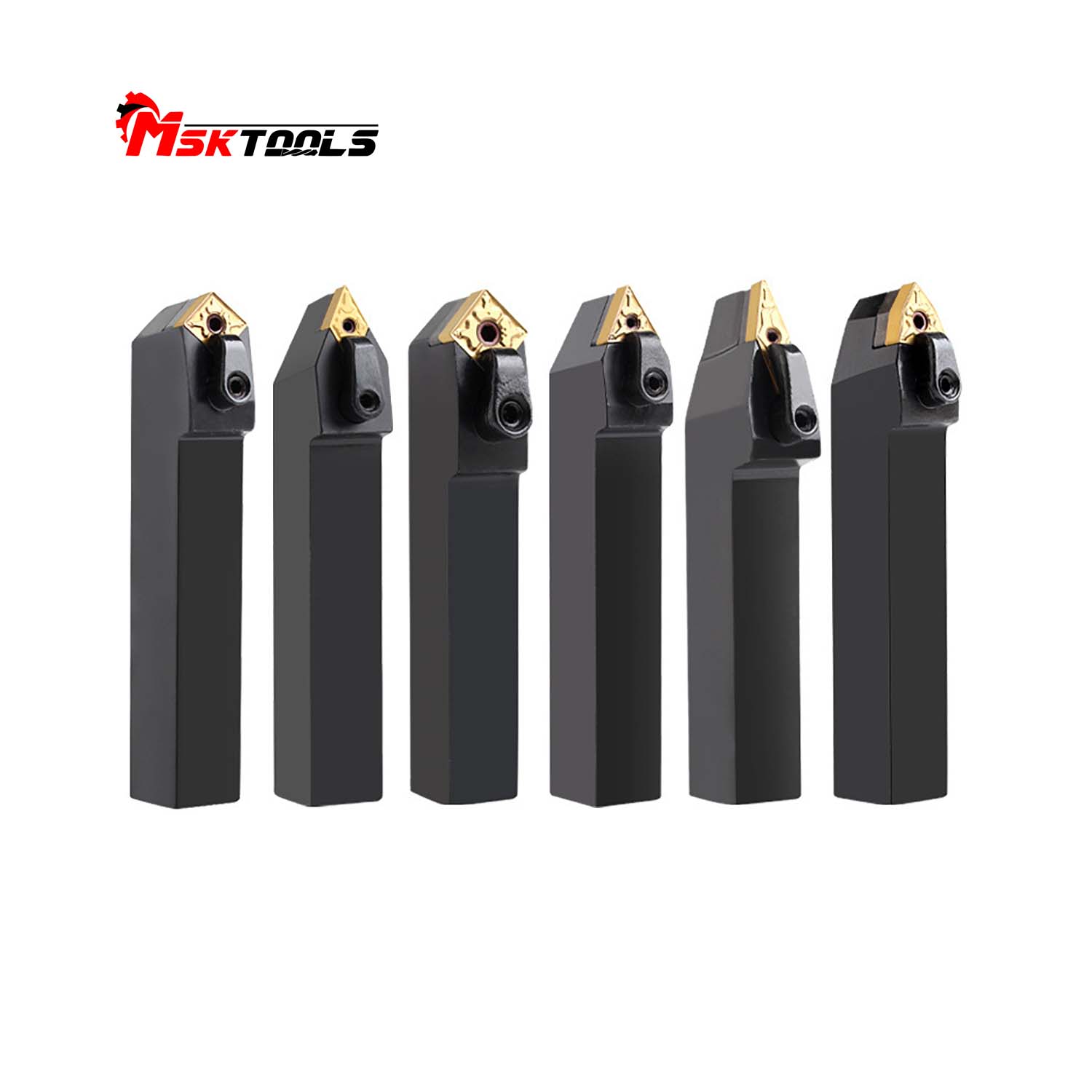
Turning tool shank type
There are many types of turning tool holders available on the market, each designed for a specific application and cutting tool. Here are some of the most common types:
1. Standard Toolholder: These are the most basic toolholder types and are typically made of high-strength steel. They are designed to accommodate a variety of cutting tools and are suitable for general turning operations.
2. Quick-Change Toolholders: As the name suggests, these toolholders allow for rapid tool changes, minimizing downtime during machining. They are particularly useful in production environments where multiple tools are frequently used.
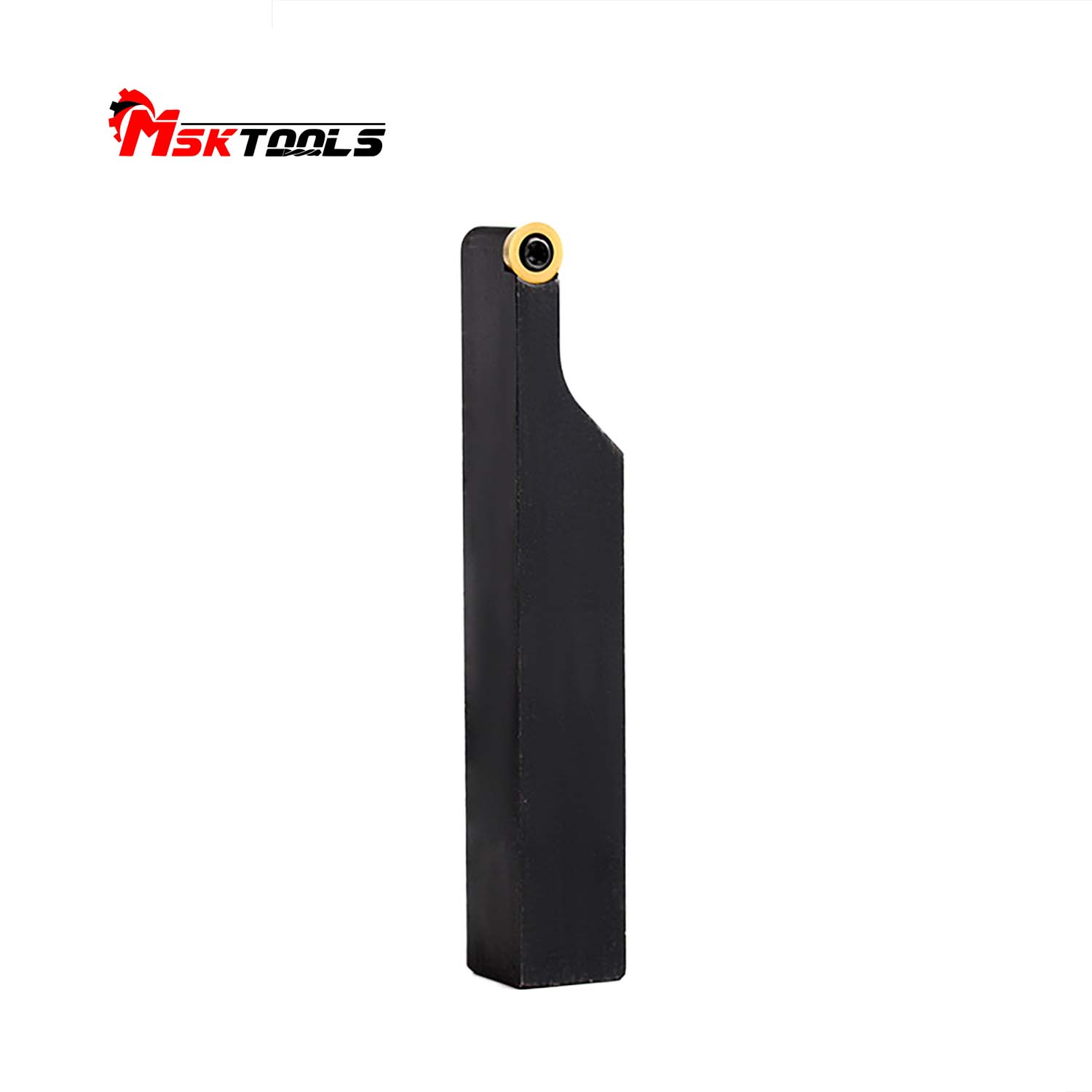
3. Boring Holders: These are designed specifically for boring operations, providing the necessary support and alignment for the boring bar, ensuring accuracy in drilling tasks.
4. Grooving Toolholders: These toolholders are designed for grooving applications to machine grooves and recesses in the workpiece. They are essential for machining complex designs and features.
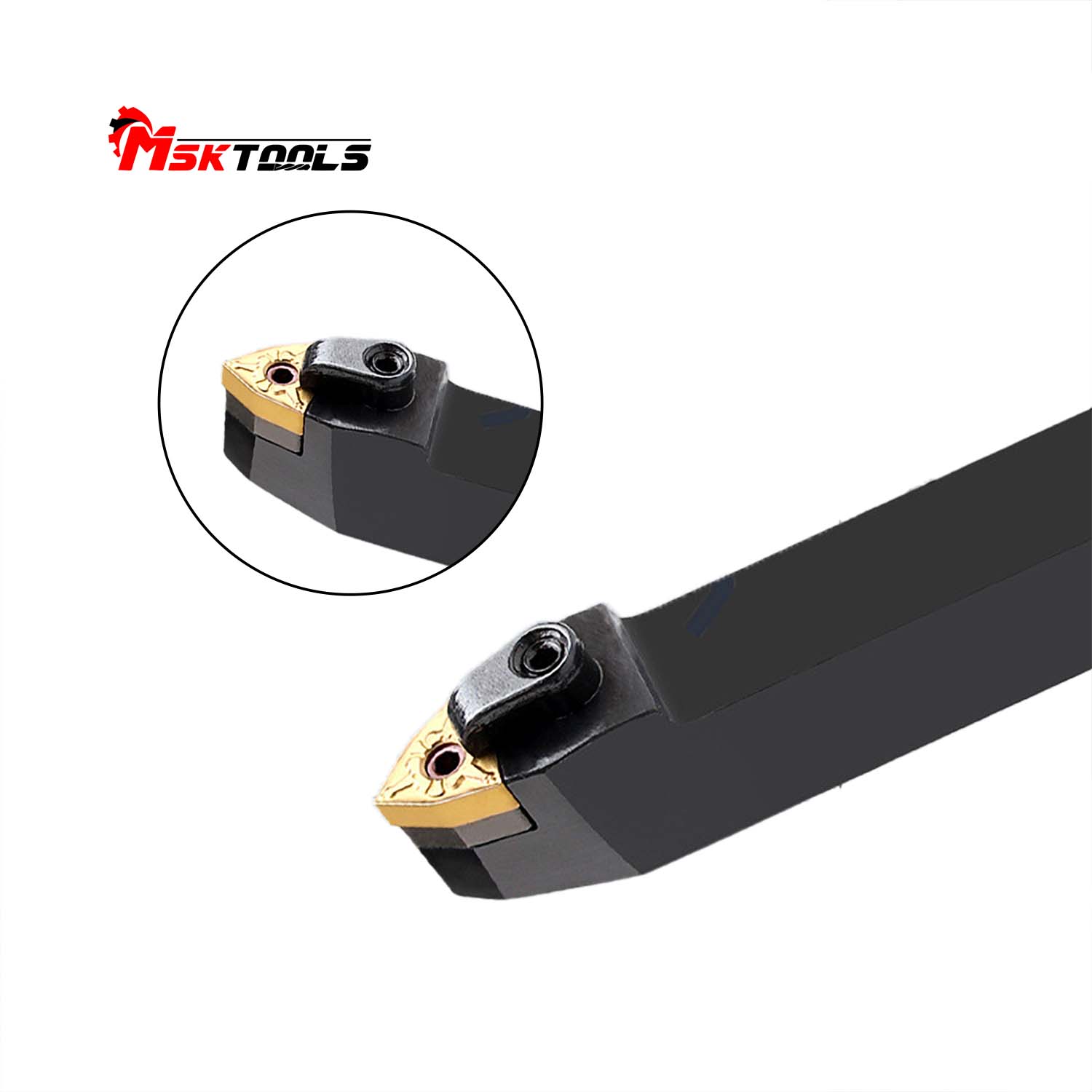
5. Indexable toolholders: These toolholders utilize indexable cutting inserts that can be rotated or replaced after wear. This feature not only extends the life of the toolholder but also reduces overall tooling costs.
Choose the right tool holder
Choosing the right turning tool holder is crucial to achieving the best machining results. Here are some factors to consider when making your selection:
1. Compatibility: Make sure the toolholder is compatible with the cutting tool you plan to use. Check the dimensions, toolholder size, and mounting style to avoid any mismatches.
2. Material: The material of the toolholder affects its durability and performance. High-speed steel (HSS) and carbide are common materials, each offering advantages in terms of strength and wear resistance.
3. Application: Consider the specific machining operations you will be performing. Different applications may require specialized toolholders, so choosing the one that meets your needs is crucial.
4. Precision: Choose a toolholder with high precision and stability. This is especially important for complex machining tasks where precision is crucial.
5. Cost: While it’s tempting to choose the cheapest option, investing in a high-quality turning toolholder can reduce tool wear and increase machining efficiency, saving you money in the long run.
In conclusion
Turning toolholders are an integral part of your machining process, directly impacting the quality and efficiency of your work. By understanding the different types of toolholders and considering the factors that influence their selection, you can ensure you're choosing the right one for your application. Whether you're a hobbyist or a professional machinist, investing in the right turning toolholders can enhance your machining capabilities and deliver better results.
Post time: Jul-22-2025


