In the intricate dance of metalworking, where fractions of a millimeter define success, the final touch often makes the most significant difference. Chamfering – the process of creating a beveled edge on a workpiece – transcends mere aesthetics. It's a fundamental operation critical for assembly, safety, functionality, and longevity. Recognizing this, manufacturers are increasingly turning to dedicated, high-quality chamfer tools to elevate their output from good to exceptional.
Gone are the days of relying solely on manual filing or inconsistent secondary operations. Today's engineered chamfer tools, including specialized chamfer drill bits and versatile chamfer cutters, deliver unparalleled precision and repeatability directly at the machining station. This integration eliminates costly extra steps, reduces handling, and minimizes the risk of damage to delicate finished parts. The focus is on achieving clean, consistent, and precisely angled edges every single time.
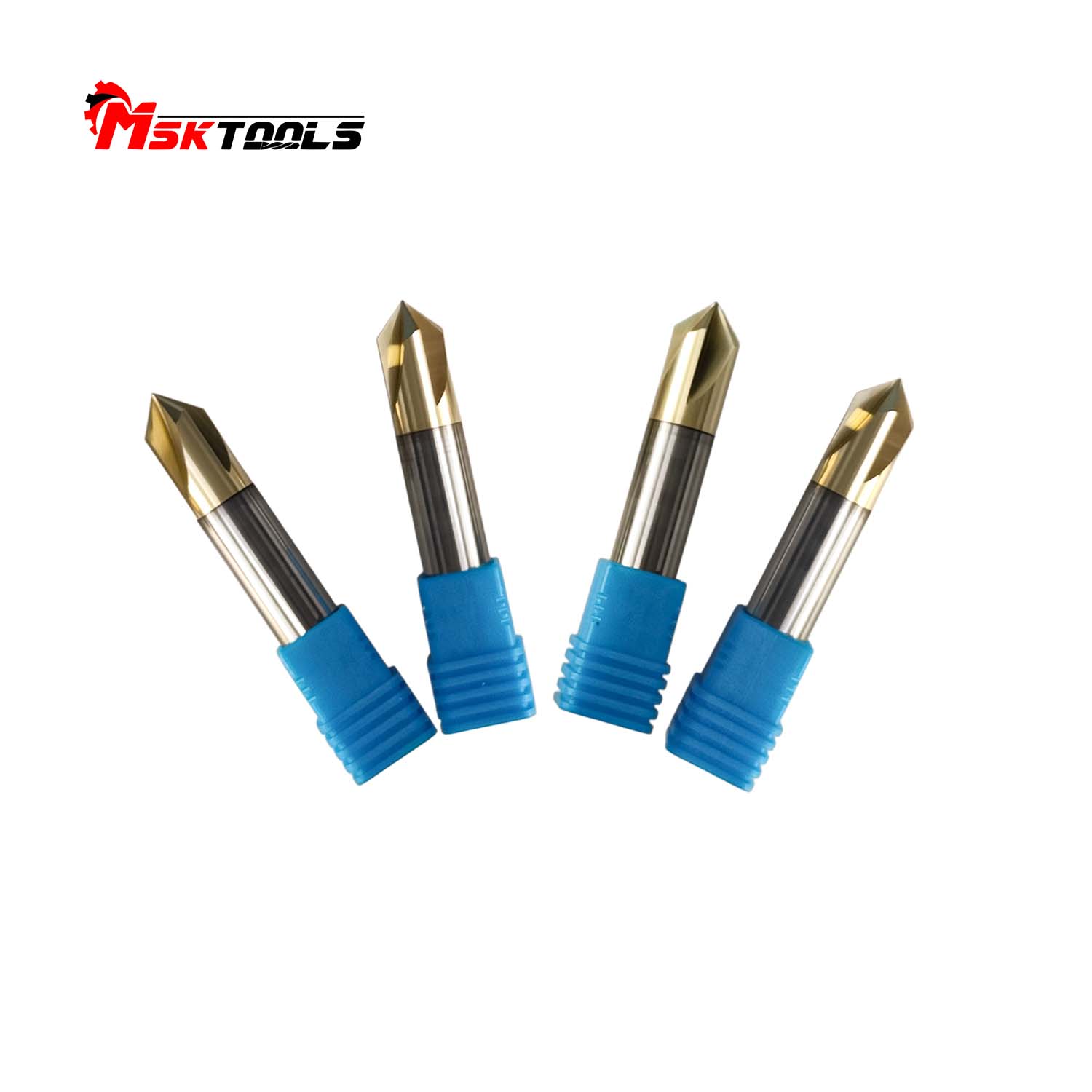
The benefits ripple throughout the production process. Proper chamfering facilitates smoother part assembly, preventing binding and ensuring components fit together as intended. It dramatically reduces the risk of sharp, hazardous burrs – a crucial safety consideration for operators and end-users alike. Furthermore, a clean chamfer can reduce stress concentrations at edges, potentially enhancing the fatigue life of the component under load.
For industries demanding the highest standards – aerospace, medical device manufacturing, precision automotive, and mold & die – investing in superior chamfer tools is non-negotiable. These sectors rely on flawless edge quality for leak-proof seals, safe handling of implants, perfect bearing fits, and flawless mold releases. The right tool doesn't just create an edge; it builds reliability, safety, and value into every single part, solidifying its role as an indispensable asset in the modern machinist's arsenal.
Post time: Jul-01-2025


