In the fast-paced world of 3D scanning, accuracy is expected, but workflow efficiency is the true game-changer. Traditional 3D scanning often involves a tedious post-processing phase: manually aligning multiple scans, setting up external tracking systems, and constantly running back and forth to a computer.
The latest generation of professional 3D scanners has shattered these barriers. By integrating Automatic Assembly Functions, Automatic Positioning Systems, and Intelligent Button Controls, modern devices are transforming how professionals handle complex part digitization.
Here is an in-depth look at the features defining the future of 3D printing scanners.
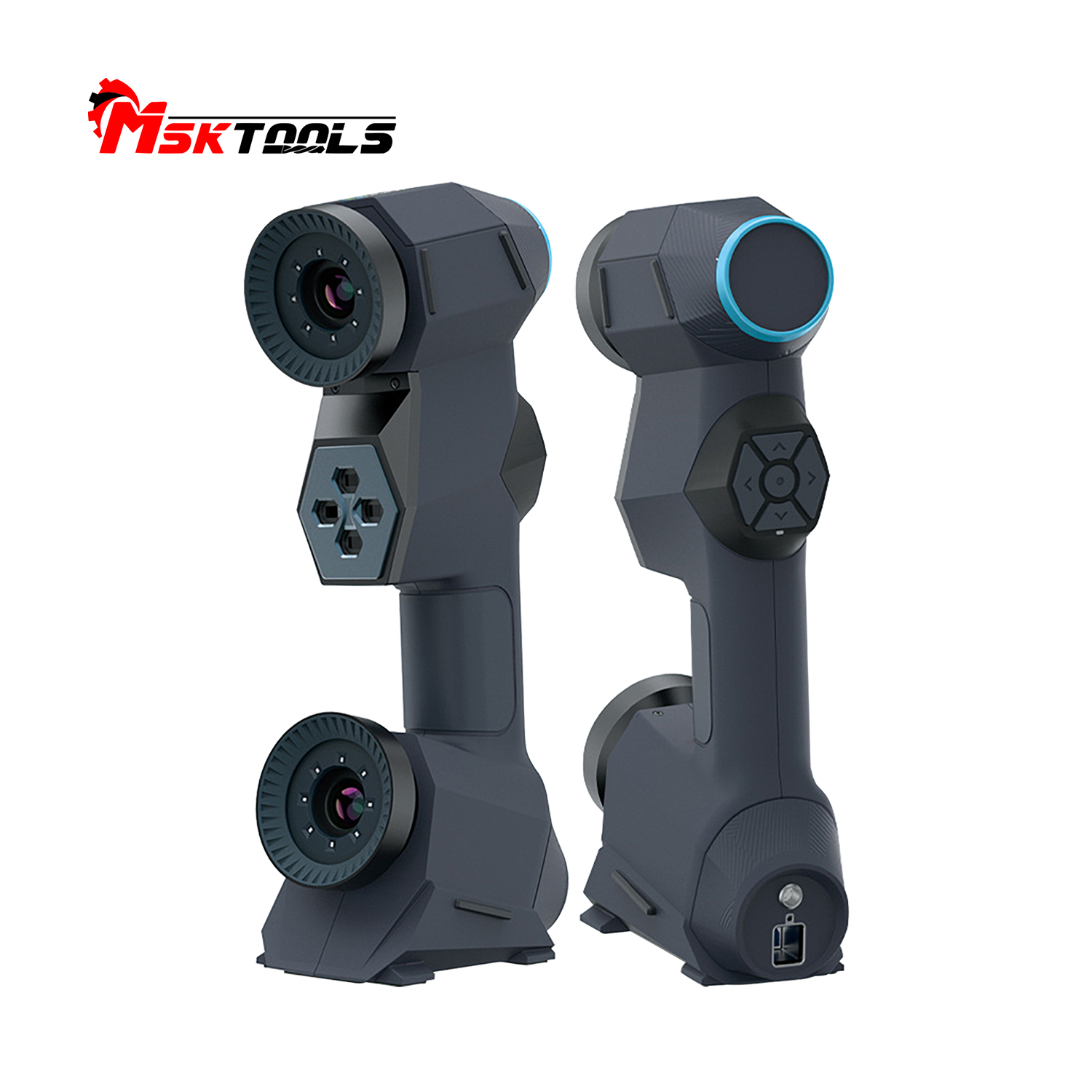
1. Seamless Workflow: The Automatic Assembly Function
One of the most time-consuming aspects of 3D scanning is "registration"—the process of taking multiple scans of a complex part and stitching them together. High-end systems now solve this with a sophisticated two-step process known as the Automatic Assembly Function.
- Global Reference Scan: First, the entire system scans the object’s environment, specifically looking for marker points. These are often adhesive reflective dots placed on the object or the fixture. This initial scan creates a "map" of where everything is in space.
- High-Detail Capture: Next, each individual part or section of the geometry is scanned in high resolution.
- Instant Alignment: The scanner software automatically recognizes the marker points from the global scan and instantly assembles the individual part scans into the correct position. This eliminates the need for manual dragging, rotating, and guesswork in the software, slashing project turnaround times by hours.
2. Ergonomics Meets Tech: The Intelligent Button System
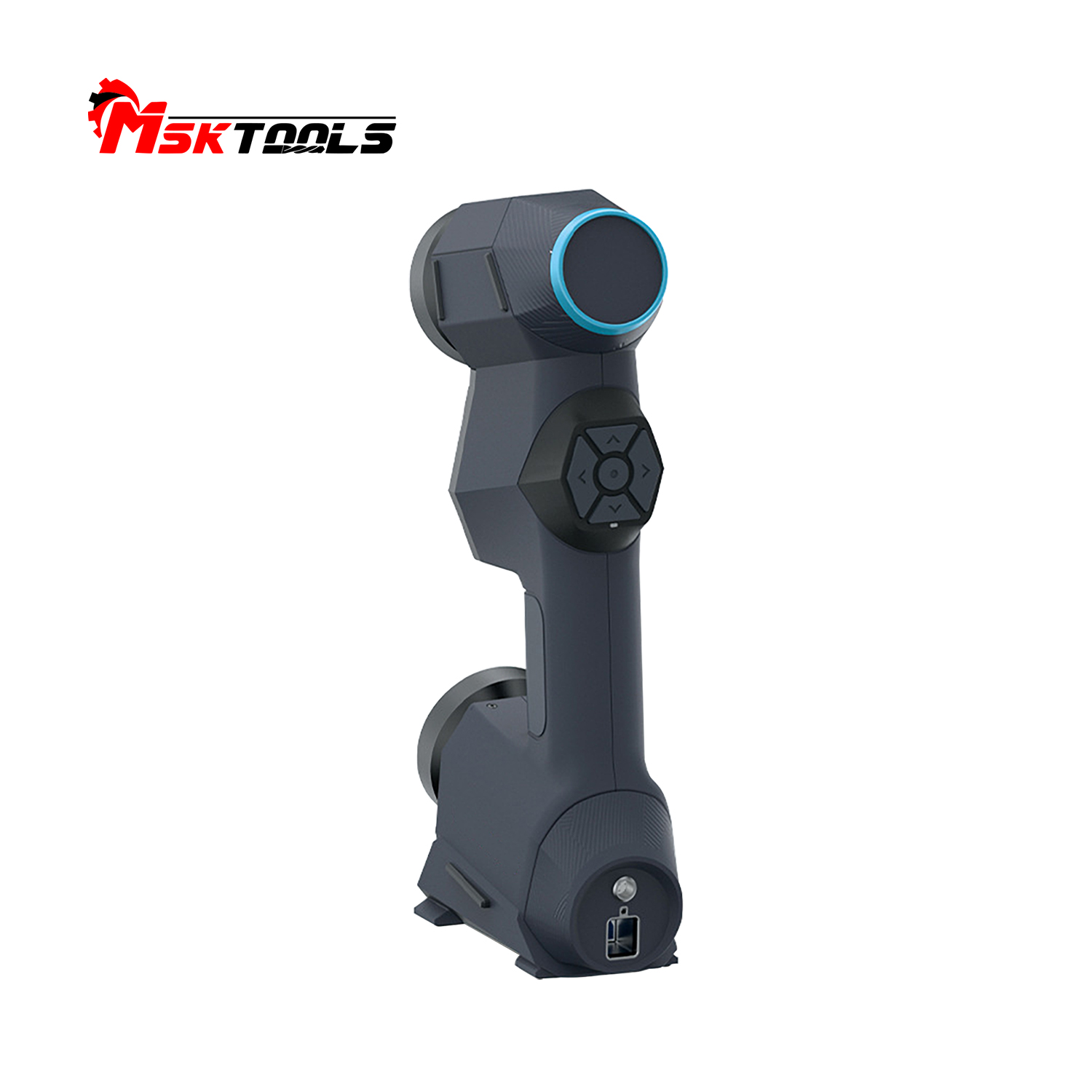
In a busy workshop or on a factory floor, efficiency is physical as well as digital. Constantly tabbing back to a laptop keyboard and mouse breaks concentration and slows momentum. The solution lies in the scanner itself: the Intelligent Button System.
Modern wireless or handheld scanners now feature intuitive button layouts that put control in the palm of your hand.
Applications of Next-Gen Scanners
These features—specifically automatic assembly and positioning—make these scanners ideal for:
- Automotive Repair & Modification: Scanning engine bays or custom fabrication parts where marker points can be placed, and the system automatically assembles the engine bay against the chassis.
- Aerospace & Mold Making: Capturing large surfaces with high precision where edge sharpness is critical for CNC machining.
- Heritage Preservation: Quickly scanning statues or artifacts where you cannot apply spray or markers, relying on the geometric positioning system to track the natural surface.
Conclusion
The era of the "dumb" scanner is over. The integration of Automatic Assembly and Automatic Positioning Systems represents a leap toward fully automated 3D capture. By handling the complex alignment calculations internally and allowing the user to control the device without touching a mouse, these scanners are not just measurement tools—they are intelligent productivity partners for the 3D printing and manufacturing world.
When selecting your next 3D printing scanner, look beyond just resolution. Look for the scanner that puts itself together.
Post time: Mar-17-2026


