The fundamental design of the twist drill bit has remained largely unchanged for over a century—a testament to its effectiveness. However, on the frontiers of manufacturing and materials science, innovation is breathing new life into this classic tool. The next generation of straight shank twist drill bits is becoming smarter, more durable, and more specialized, driven by the needs of advanced industries like aerospace, medical devices, and energy.
The most significant advances continue to come from material science. While carbide is now standard for high-performance applications, researchers are developing new composite materials and nano-coatings that push the boundaries further. Diamond-like carbon (DLC) coatings offer even lower friction and higher hardness than TiN. Nanostructured multilayer coatings, with layers only a few nanometers thick, are being engineered to provide incredible toughness and heat resistance, effectively creating a custom-built surface property for the tool.
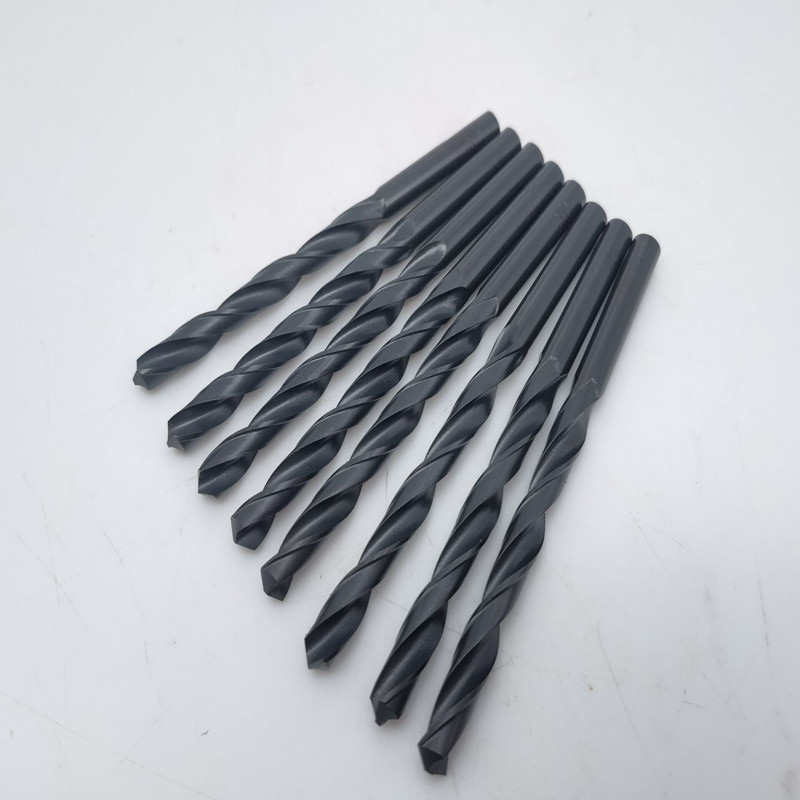
Geometry optimization is being supercharged by computational fluid dynamics (CFD) and finite element analysis (FEA). Engineers can now digitally simulate the flow of chips and the distribution of heat and stress within a drill bit under load. This allows them to design next-generation flute geometries that are impossible to manufacture with traditional methods. These designs minimize vibration, manage heat more effectively, and evacuate chips with such efficiency that they enable deeper, faster, and more accurate drilling than ever before. Additive manufacturing (3D printing) may soon allow for the production of these complex, optimized geometries in high-performance materials.
The concept of the "smart tool" is also emerging. In industrial IoT (IIoT) environments, tools are becoming data points. Imagine a drill bit with a microscopic sensor embedded in its shank, capable of monitoring temperature, vibration, and load in real-time. This data could be transmitted wirelessly to a central system, providing live feedback on tool wear and predicting failure before it happens. This would prevent catastrophic breakage that can damage expensive workpieces and machinery, moving maintenance from a scheduled activity to a predictive one.
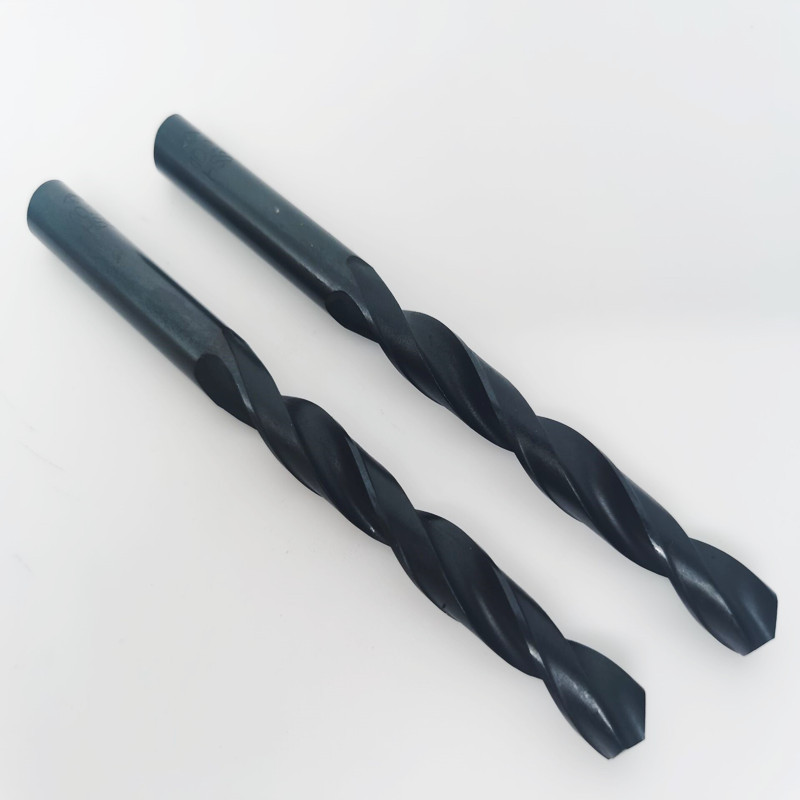
Furthermore, customization is becoming key. In the medical industry, for instance, surgeons often require unique drill bits for specific procedures on bone or biomaterials. The ability to rapidly prototype and produce custom-designed bits for a single, highly specialized task is becoming a reality.
While the classic HSS twist drill bit will remain a staple for general use, its high-tech descendants are already reshaping what is possible in precision manufacturing. The future drill bit is not just a piece of shaped metal; it is a system—an engineered component made from advanced materials, featuring intelligent design, and capable of communicating its status, ensuring that the simple act of drilling continues to evolve towards ever-greater levels of precision and efficiency.
Post time: Feb-27-2026


