Metal fabrication shops and CNC machining centers are experiencing a significant leap in productivity and finish quality, thanks to the latest generation of specialized Chamfer Bits designed explicitly for metalworking. These tools, often marketed as Chamfer Bits for Metal or Metal Chamfer Bits, are no longer just simple edge-breakers; they are sophisticated instruments engineered to tackle multiple critical tasks simultaneously, directly impacting the bottom line.
The driving force behind this shift is the integration of advanced geometries and coatings specifically targeting the core challenges of metal machining: speed, chip evacuation, burr management, material versatility, and surface integrity. Manufacturers report that modern metal chamfer bits deliver precisely on these fronts:
Engineered Chip Evacuation – The Wire Drawing Effect: A standout feature of leading metal chamfer bits is the incorporation of grooves designed to create a "wire drawing effect." This isn't just marketing jargon; it's a functional design principle. The grooves guide chips away from the cutting zone in a controlled, string-like manner, preventing the dangerous and time-consuming problem of chip recutting or clogging.
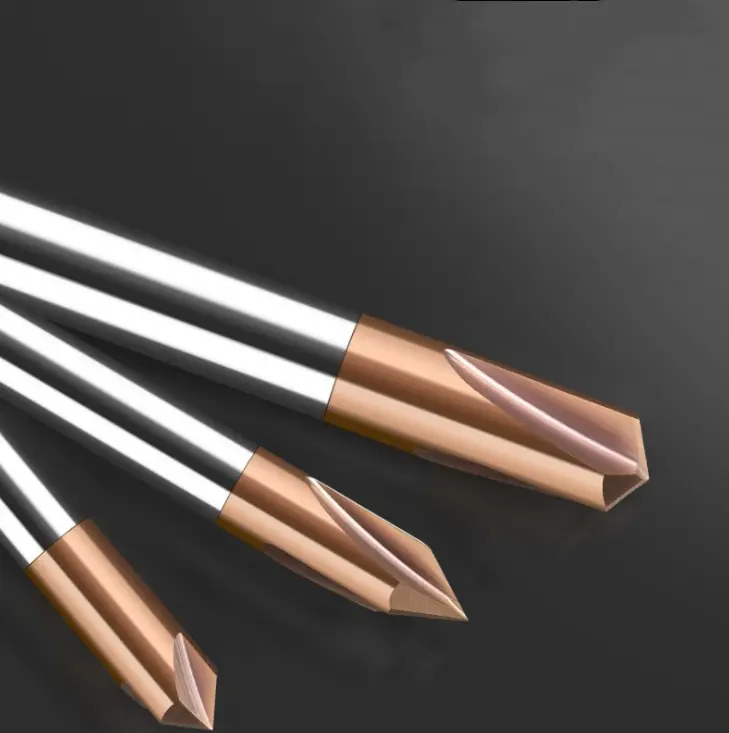
In-Machine Deburring Capability: Eliminating sharp, hazardous burrs has traditionally required secondary operations, adding cost and handling time. Advanced metal chamfer bits are increasingly recognized for their proficiency in deburring during the primary machining process.
Unprecedented Material Versatility: Modern carbide substrates and specialized coatings (like AlTiN, TiCN, or diamond-like carbon) empower these chamfer bits to work effectively in virtually all materials.
Industry Impact: The evolution of the metal chamfer bit represents a microcosm of broader trends in manufacturing: smarter tool design driving significant gains in productivity, quality, and cost-effectiveness. As Industry 4.0 and automation demand faster, more reliable processes with less human intervention, tools that combine multiple functions (cutting, deburring) and operate reliably at high speeds with minimal supervision become indispensable.
Leading cutting tool manufacturers are investing heavily in R&D for this segment, focusing on further enhancing tool life through wear-resistant coatings, optimizing geometries for specific materials or chamfer angles, and ensuring rigidity to minimize deflection in high-speed applications. The humble chamfer bit has evolved from a basic necessity into a sophisticated, high-performance instrument, proving that even small tools can drive major efficiency revolutions on the modern factory floor.
Post time: Jul-29-2025


