In the competitive world of Computer Numerical Control (CNC) machining, precision is not just a goal; it is the standard. Whether you are running a small job shop or a high-volume production facility, the accuracy of your tooling directly impacts the quality of your finished parts. One of the most critical steps in the machining process is setting the tool length offset. This is where a Tool setting device become indispensable assets.
This guide explores the importance of these devices, how they work, and why upgrading to a high-precision model is a game-changer for your workflow.
What is a Tool Height Setter?
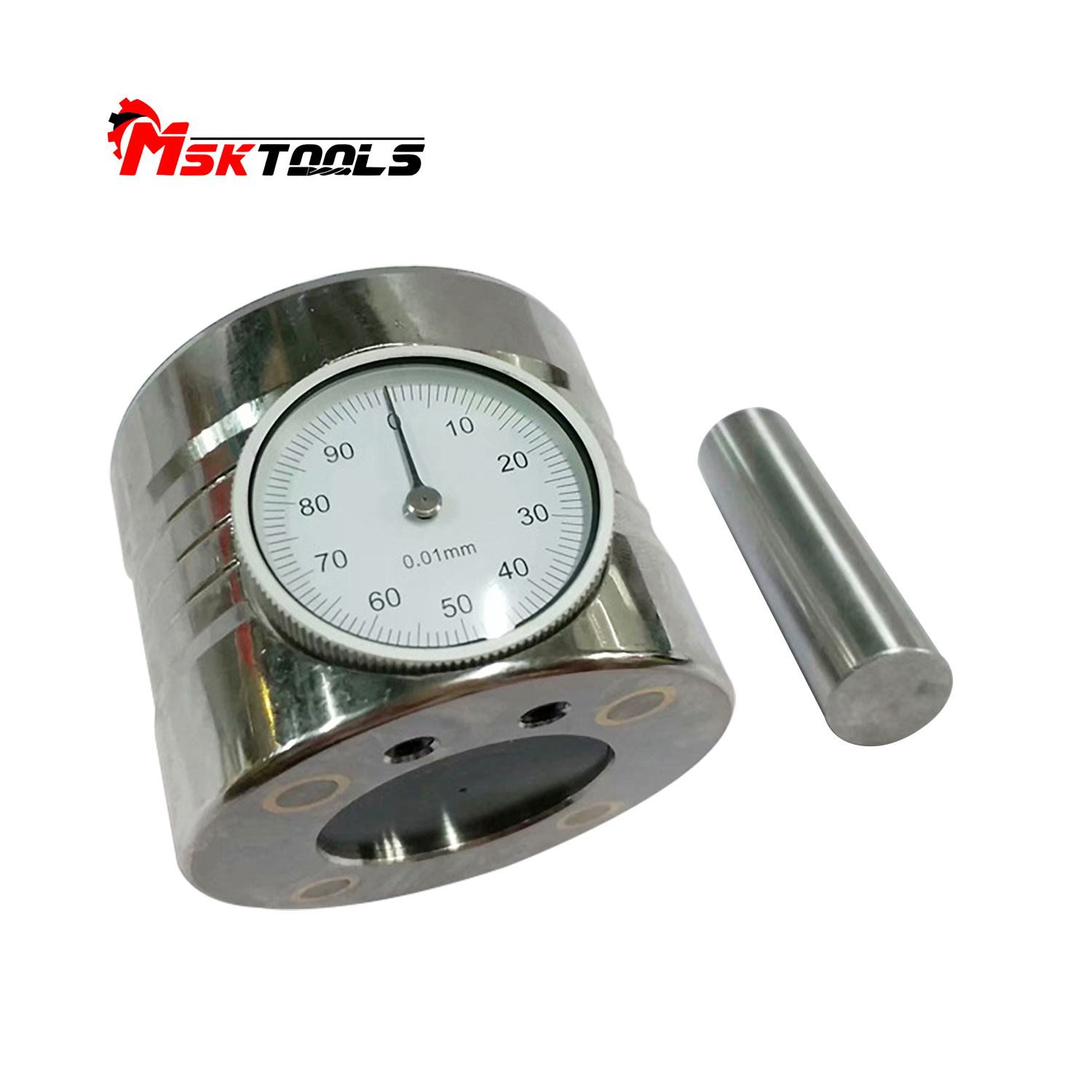
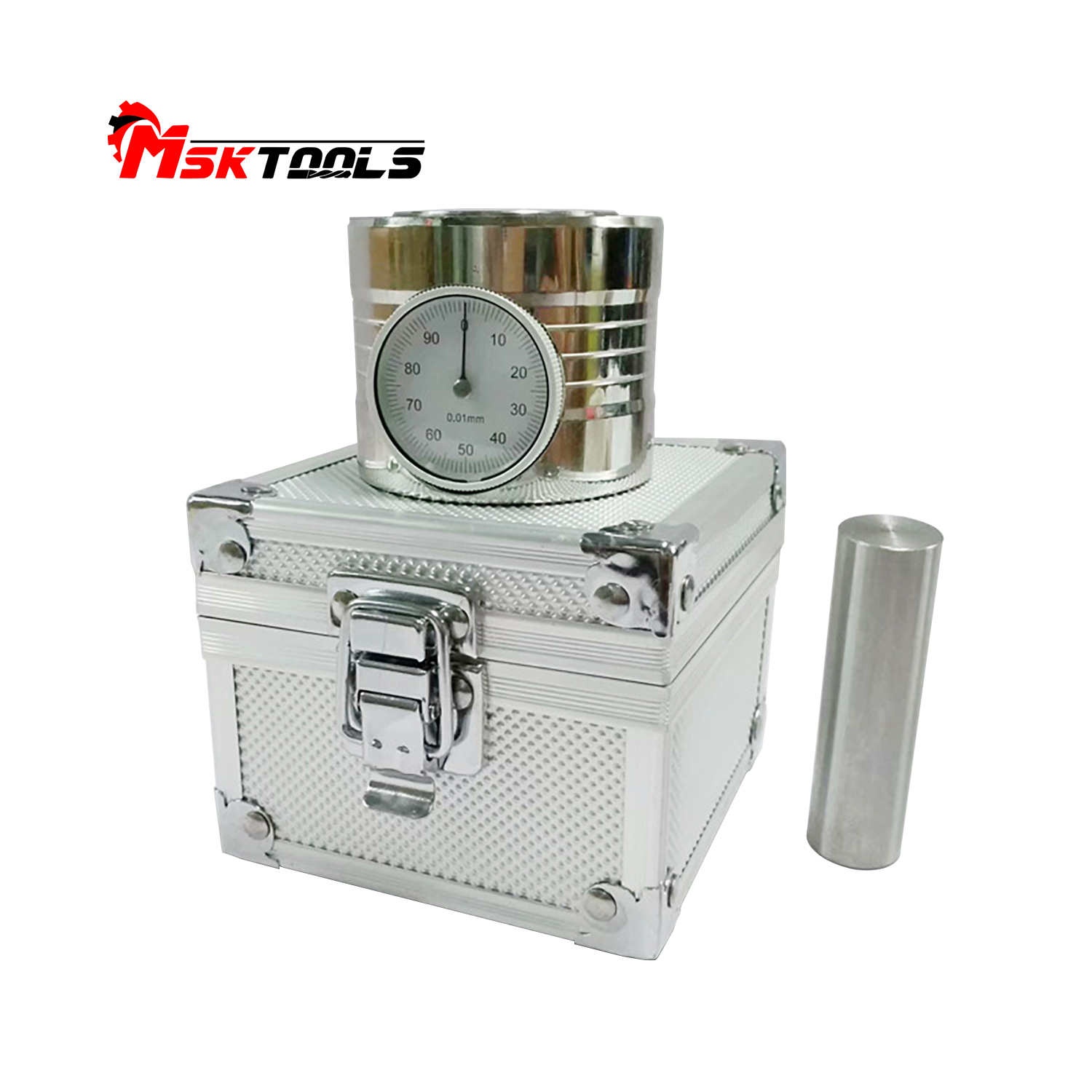
A Tool setting device is a device used to measure the exact length of a cutting tool relative to a fixed point on a CNC machine, typically the spindle nose or the table surface. By determining the precise offset, the machine control knows the exact location of the tool tip, ensuring accurate cuts and preventing crashes.
Traditionally, machinists used pieces of paper or feeler gauges to "eye up" the tool length. While this method works, it is slow and prone to human error. Modern machining demands speed and repeatability, making an electronic or mechanical Z-Axis Setter the preferred choice.
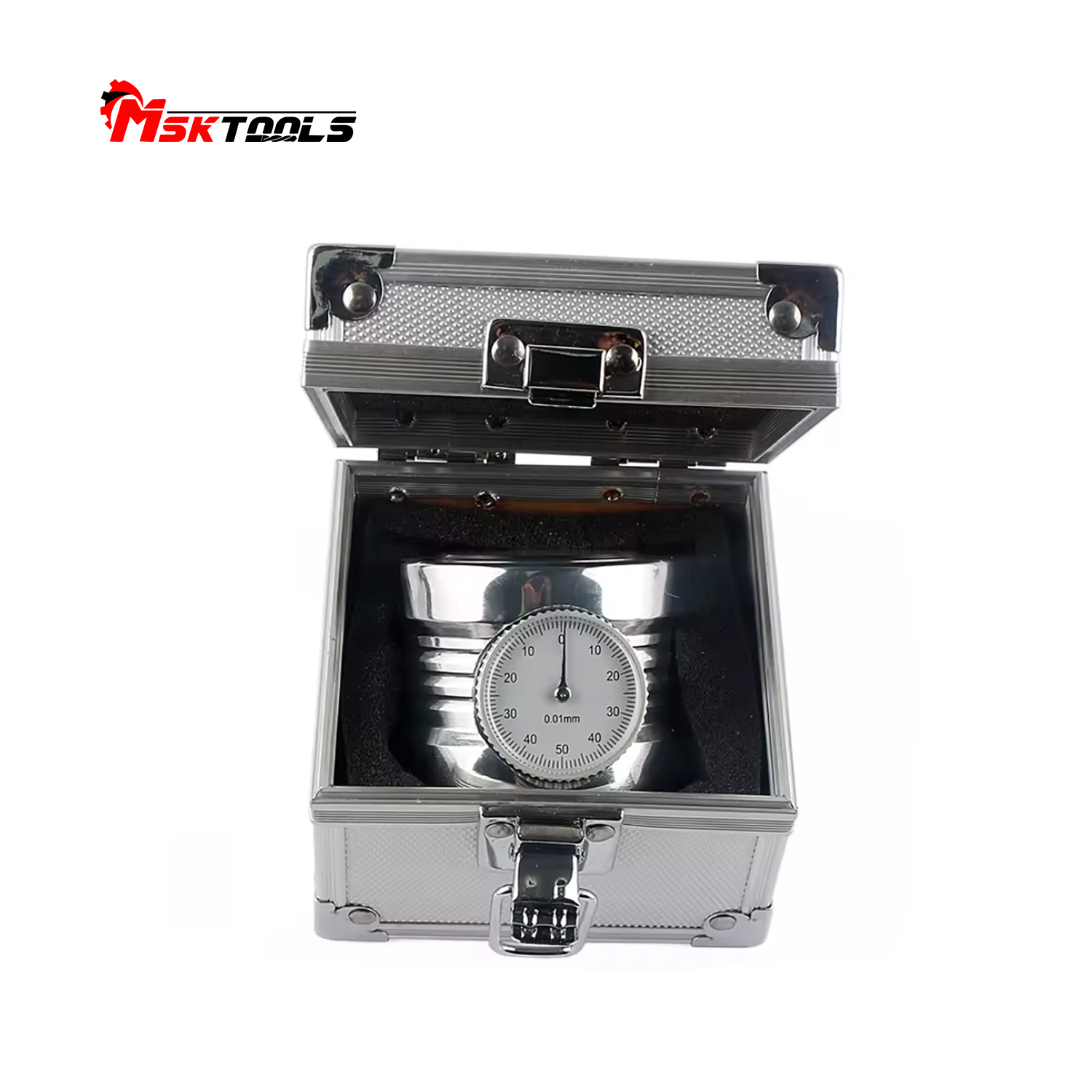
The Role of the Z-Axis Setter in Machining
The Z-axis is the vertical axis on most milling machines. Setting the Z-axis zero point is arguably the most repeated task in a machinist's day. A Z-Axis Setter simplifies this by providing a consistent, repeatable physical reference.
Why Invest in a High Precision Tool Setting Instrument?
While standard setters are effective for general work, a High Precision Tool Setting Instrument is designed for industries where microns matter—such as aerospace, medical device manufacturing, and mold making.
Here are the key benefits of using a high-precision instrument:
1. Unmatched Accuracy
High-precision instruments feature superior build quality, often with hardened ground surfaces and high-quality internal mechanisms (or sensors). This ensures that the reference plane is perfectly flat and the repeatability is within 0.001mm or less, eliminating variables in your machining process.
2. Reduced Setup Time
Manual tool setting can take several minutes per tool. With a tool setting device integrated into your workflow—especially if used with a tool pre-setter or automatic tool changer routine—setup time is reduced to seconds. This increases spindle uptime and overall productivity.
3. Crash Prevention
Modern high-precision tool setters are often used in conjunction with tool breakage detection routines. The machine can automatically check if the tool is still the correct length before starting a critical operation, preventing catastrophic crashes that damage spindles, vises, and parts.
4. Consistency Across Operators
In a multi-operator shop, human error is the biggest variable. A standardized Z-Axis Setter ensures that every operator sets tools the same way, leading to consistent part quality regardless of who is running the machine.
Conclusion
In the pursuit of machining excellence, the tools you use to set up your jobs are just as important as the tools that cut the metal. Investing in a quality tool setting device, a reliable Z-Axis Setter, or a sophisticated High Precision Tool Setting Instrument is an investment in your shop's efficiency and reputation.
By automating the tedious task of tool measurement, you free up your skilled labor to focus on what truly matters: programming, process improvement, and producing flawless parts.
Post time: Mar-18-2026


