Investing in a quality Tungsten Carbide Rotary Burr is the first step toward achieving professional-grade finishing and shaping. However, to unlock its full potential and ensure both safety and longevity, understanding proper usage techniques is crucial. Whether you're a seasoned professional or a dedicated hobbyist, these guidelines will help you get the most out of your carbide burr rotary file bit.
1. Tool Selection and Inspection:
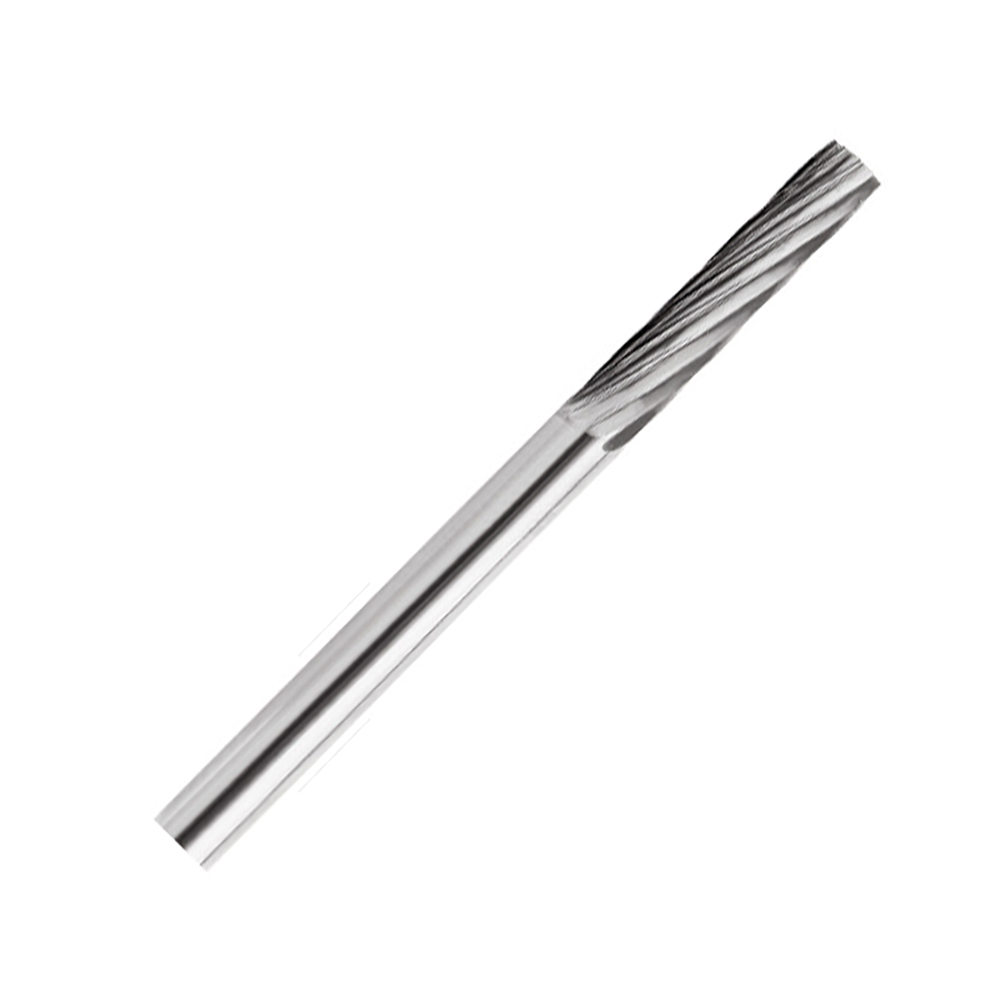
First, ensure you have the right shank size (e.g., 1/4" or 6mm for die grinders, 1/8" for smaller rotary tools) and the correct cut style. A double-cut burr is ideal for most metals, providing a smoother finish and better chip clearance. A single-cut burr is better for harder metals and produces a sharper, more aggressive cut, often preferred for non-ferrous metals like aluminum to prevent clogging. Always inspect the burr before use for any signs of damage or chipping.
2. Machine Setup and Speed:
Carbide burrs are designed for high-speed operation. Using them at too low an RPM will cause them to rub rather than cut, leading to premature dulling. As a general rule, larger diameter burrs require lower speeds, while smaller ones can handle higher RPMs. Consult manufacturer charts, but a range of 15,000 - 30,000 RPM is common for many applications. Always ensure your die grinder or rotary tool is securely held and that the burr is tightly locked in the collet to prevent vibration.
3. The Technique: Let the Tool Do the Work.
This is the most important principle. Apply gentle to moderate pressure. Forcing the tool will not speed up the process; it will generate excessive heat, wear down the burr prematurely, and risk breaking the tool or damaging the workpiece. Move the burr consistently across the surface—dwelling in one spot creates grooves and generates heat. For deburring, use a brushing motion along the edge. For shaping, use steady, controlled passes.
4. Cooling and Chip Clearance:
While often used dry, using a lubricant or coolant can significantly extend the life of the burr, especially when working with tough materials like stainless steel. It reduces heat and flushes away metal chips that could otherwise clog the flutes and cause friction. For non-metallic materials like marble or bone, dry operation is standard, but a respirator is strongly recommended to avoid inhaling fine dust.
5. Material-Specific Tips:
Aluminum & Copper: These soft materials can clog (or "load") a burr. Use a single-cut burr, higher speeds, and a lubricant like wax to prevent material from sticking to the flutes.
Stainless Steel: Use a steady speed and consistent pressure to avoid work-hardening the surface, which can make it to cut. Coolant is highly recommended.
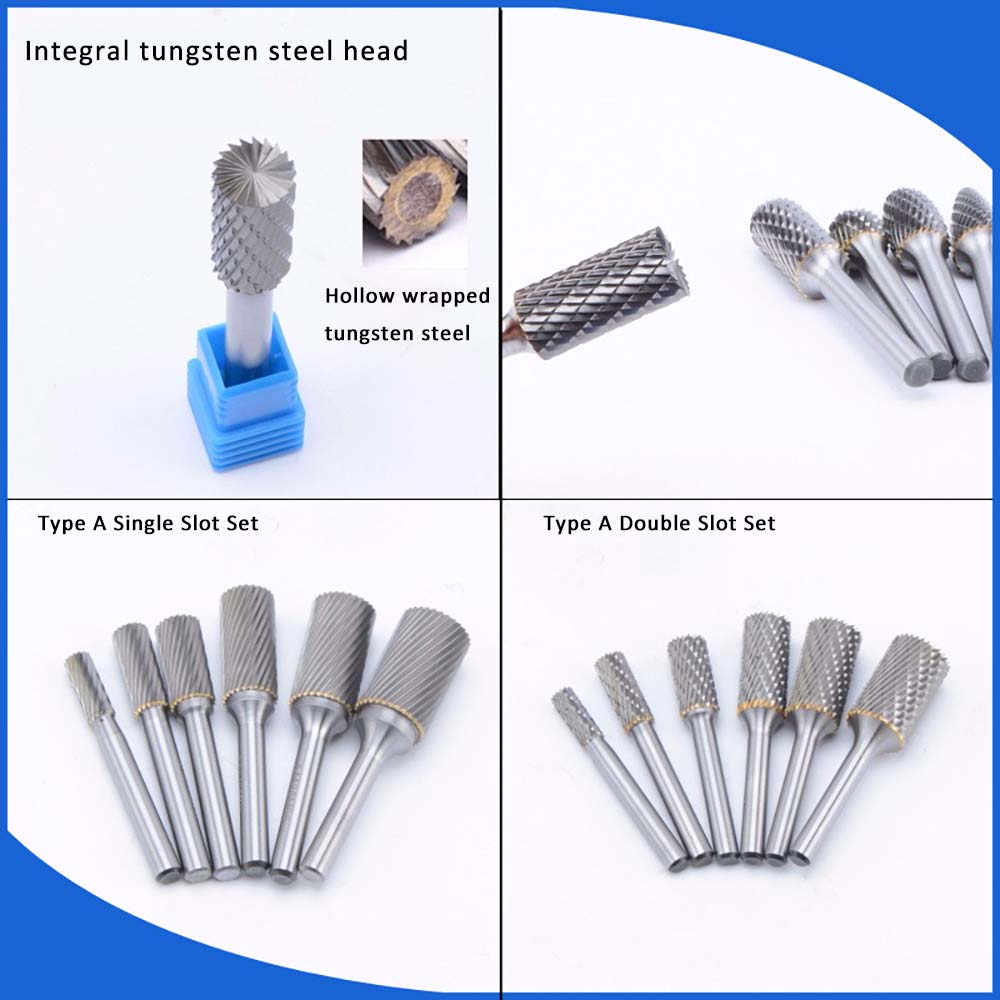
Cast Iron: Be mindful of sand inclusions which can be abrasive. A sturdy YG8 grinding head is excellent for this application due to its impact resistance.
Stone/Bone/Jade: Always wear eye protection and a respirator. Use a light touch and let the abrasive action of the carbide do the carving.
By following these steps, you ensure cleaner cuts, a longer tool life, and a safer working environment. A well-maintained YG8 tungsten steel grinding head is not just a consumable; it's a precision partner.
Product Spotlight: This guide is based on tools like our premium rotary file, made of YG8 tungsten steel. It's capable of processing iron, cast steel, stainless steel, copper, aluminum, marble, jade, and bone.
Post time: Mar-12-2026


